Shorter fall days can increase pedestrian accident risk because more walking, school, shopping, and commuting activity can overlap with dusk and darkness. Florida does not experience the same seasonal daylight change as many northern states, but sunset still arrives earlier as fall progresses. Reduced light can make a pedestrian harder to detect near crosswalks, parking lots, bus stops, driveways, school zones, and busy intersections.
Low light can also combine with headlight glare, wet pavement, turning traffic, blocked sightlines, and driver distraction. When a collision happens, the legal questions often focus on what the driver and pedestrian could see, how each person moved before impact, and whether either person failed to use reasonable care.
If you are injured while walking in Hillsborough County or a nearby Florida community, early medical care and prompt evidence preservation can matter. Video can be overwritten, vehicles can be repaired, physical conditions can change, and witness memories can become less precise.




Why Shorter Fall Days Change Pedestrian Risk 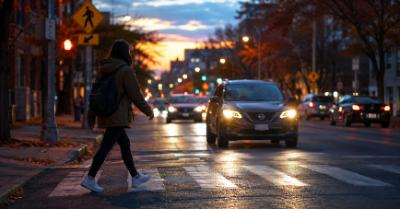
As fall advances, sunset comes earlier. That change can place more drivers and pedestrians on the road during twilight or darkness. You may be walking home, crossing after an evening activity, leaving a store, or heading toward a bus stop at a time when drivers have less natural light.
Twilight can create difficult visual conditions. A roadway may appear bright in one direction while shadows deepen near trees, buildings, signs, or overpasses. A driver may face glare from the setting sun and then enter a darker stretch of road. Approaching headlights can also reduce visual contrast.
The risk begins before the road feels fully dark. A driver who is monitoring traffic signals, navigation directions, turning vehicles, or surrounding traffic may have less time to identify a person near the curb or in a crosswalk.
For more information about common pedestrian accident issues in Florida, review:
https://mikeserranolaw.com/2020/10/02/florida-pedestrian-accident-guide/
Founding Attorney Attorney
Michael Serrano
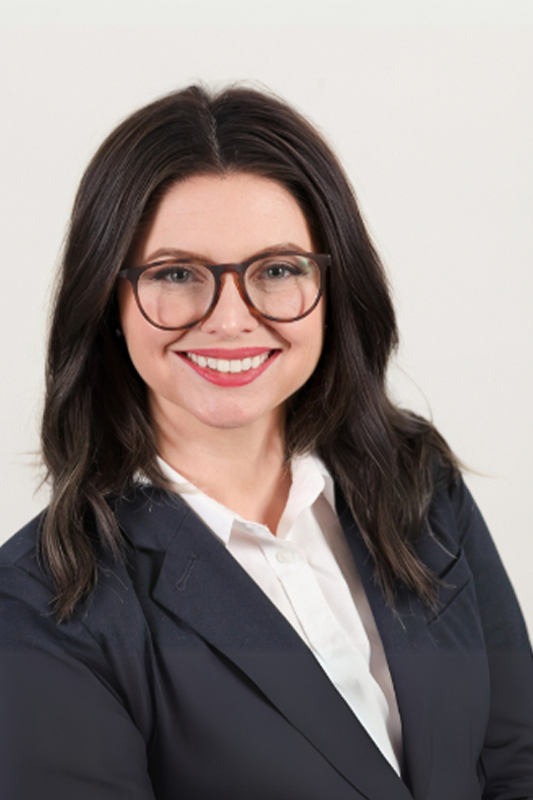
Molli Gard, ESQ.
Where Fall Visibility Problems Often Appear
Shorter daylight can create added risk in places where vehicles and pedestrians frequently cross paths. In Hillsborough County, Tampa, Lutz, Wesley Chapel, and nearby Florida communities, these locations can include commercial entrances, residential roads, school zones, parking lots, transit stops, and multi-lane intersections.
Common low-light conflict points include:
- A driver turning right while watching traffic approaching from the left
• A left-turning driver looking for a gap in oncoming traffic
• A pedestrian entering the roadway from behind a parked SUV, pickup truck, or other obstruction
• A vehicle backing from a parking space while someone walks behind it
• A driver entering or leaving a shopping center while watching vehicle traffic
• A pedestrian crossing after a bus, rideshare vehicle, or delivery vehicle blocks part of the view
• A driver approaching a crosswalk too quickly for the available sight distance
These circumstances do not establish fault by themselves. They show why lighting, vehicle movement, sightlines, traffic controls, pedestrian location, and reaction time can become central evidence in a Florida pedestrian accident claim.
Low-light pedestrian cases often turn on seconds of visibility, movement, and reaction time.
Florida Law Sets Duties for Drivers and Pedestrians
Florida Statutes section 316.130 contains rules that apply to pedestrians and motorists. The statute addresses traffic-control devices, crosswalks, roadway crossings, pedestrian conduct, and a driver duty to exercise due care to avoid colliding with a pedestrian.
A driver is not automatically responsible for every pedestrian collision. A pedestrian is not automatically responsible because a crash happened outside full daylight. Liability depends on the facts, including where the pedestrian was located, what traffic controls applied, how the vehicle was moving, and whether each person acted reasonably under the circumstances.
Florida also applies modified comparative fault to negligence actions covered by Florida Statutes section 768.81. Fault assigned to an injured person can reduce recoverable damages. In a covered negligence action, a person found more than 50 percent at fault for his or her own harm may not recover damages.
For more information about partial fault in pedestrian cases, review:
https://mikeserranolaw.com/partial-fault-in-a-pedestrian-accident-case/
Mike Serrano’s law office was everything I needed after a very traumatic accident. He was always super up front and honest with me. I never got the feeling he was trying to sell me on something or to do something that I wasn’t comfortable with. He listened to my concerns and when it tough moments came that I needed to stand my ground. He backed me and made me feel 100% secure. He got me exactly what I needed in a settlement and I would never consider using anyone else. His office staff is also phenomenal.” - Mary Mike Serrano was a great attorney for my case!! He was very flexible with phone calls/ Zoom meetings. His staff are always friendly, whether it be on the phone or emails. They keep you updated during your entire case! They don’t leave you silent for months. if you call, they always call back with updates! Highly recommend!" - Kylie Collier Border I’ve never had to deal with a lawyer before but Mike has set the bar HIGH. He was always available to communicate my concerns and explain each step of the way. I know no other lawyer would have been able to achieve the same results because he jumped on an opportunity that was a little out of the ordinary and it paid off. He really fought for my case and over delivered. I really hope I never have another accident but if I do I’m running to Mike for help." - Sandy Carter
Why Evidence About Lighting Can Matter
A pedestrian accident investigation should examine more than whether the crash happened after sunset. A more useful question is what a reasonably careful driver and pedestrian could see and what each person had time to do.
Relevant evidence may include:
- Photographs of the roadway and surrounding area
• Streetlight locations and lighting conditions
• Nearby business security video
• Residential doorbell video
• Dash camera footage
• Vehicle event data when available
• Witness statements
• Traffic-signal timing
• Vehicle damage
• Damage to clothing, shoes, phones, or other personal property
The position of the sun may matter in a late-afternoon collision. Headlight use may matter after sunset. A broken streetlight, blocked sightline, or landscaping condition may also be relevant when the condition contributed to the collision and a person or entity had responsibility for the property.
Rain can create another visibility issue. Wet pavement can reflect headlights, signs, and traffic signals, which may make contrast and distance more difficult to judge. Weather does not decide fault, but road and lighting conditions can affect what a reasonably careful person should have anticipated.
For more information about insurance and evidence issues after a pedestrian collision, review:
https://mikeserranolaw.com/pedestrian-accident-insurance-investigation/
Choosing The Right Personal Injury Attorney Personal Injury Settlement TimelineRelated Videos
What to Do After a Pedestrian Accident in Florida
Your health and immediate safety come first. Call 911 when someone is injured or when the roadway remains dangerous. Seek medical evaluation even if your symptoms initially seem manageable. Some injuries may become more noticeable after the initial shock of a collision.
If your condition allows, preserve information before the scene changes:
- Photograph the roadway, crosswalk, traffic signals, streetlights, vehicle, and visible injuries
• Record the approximate time and lighting conditions
• Get the driver name, insurance information, license plate number, and vehicle details
• Ask witnesses for names and contact information
• Note nearby businesses, homes, buses, or vehicles that may have cameras
• Keep damaged clothing, shoes, phones, or other personal items
• Save medical bills, prescription records, wage information, and transportation expenses
• Avoid guessing about fault when speaking with an insurance company
A pedestrian struck by a motor vehicle may qualify for Florida personal injury protection benefits depending on the applicable policy, statutory priority rules, and other facts. When PIP coverage applies, Florida law generally requires initial medical services and care within 14 days after the motor vehicle accident for medical benefits to be available.
Insurance questions can depend on your own policy, resident-relative coverage, vehicle ownership, the policy covering the vehicle involved, and the circumstances of the crash.
For a broader explanation of Florida injury claims, review:
https://mikeserranolaw.com/2020/10/02/florida-personal-injury-guide/
How Compensation May Be Evaluated
There is no standard settlement amount for a pedestrian accident. The value of a claim depends on the injuries, available insurance, fault, medical evidence, future needs, and losses caused by the collision.
Depending on the case, recoverable damages may include:
- Past and future medical expenses
• Lost income
• Reduced earning capacity
• Pain and suffering
• Disability
• Scarring or disfigurement
• Rehabilitation expenses
• Other losses recoverable under Florida law
A serious injury may also create future treatment, therapy, equipment, or care needs. Those issues may need to be evaluated before a claim is resolved.
Potential insurance sources can include personal injury protection, bodily injury liability coverage, uninsured or underinsured motorist coverage, commercial vehicle policies, or other coverage connected to the people and vehicles involved. The available coverage depends on the facts and policy terms.
Florida generally provides a two-year filing period for negligence actions. The change from a four-year period to a two-year period applies prospectively to negligence causes of action accruing after March 24, 2023. Different deadlines or notice requirements can apply to older claims, wrongful death claims, government entities, insurance benefits, and other circumstances. Evidence can also become harder to preserve long before a filing deadline expires.
How a Pedestrian Accident Lawyer Can Help
A pedestrian accident lawyer can investigate how the collision happened instead of relying only on an initial crash report. Depending on the case, the investigation may include requesting video, locating witnesses, reviewing vehicle and insurance records, examining lighting and sightlines, documenting medical losses, and responding to allegations that the pedestrian caused or contributed to the crash.
Legal counsel can also communicate with insurers, identify potentially available coverage, organize evidence, and evaluate settlement offers in light of current treatment and possible future needs.
When liability is disputed, the investigation may focus on turning movements, speed, distraction, crosswalk location, traffic signals, visibility, lighting, and the time available for each person to react.
For information about representation for injured pedestrians in Hillsborough County, review:
https://mikeserranolaw.com/hillsborough-county-pedestrian-accident-lawyers/
Speak With a Florida Pedestrian Accident Lawyer
A pedestrian collision during the shorter days of fall can leave you facing medical appointments, missed work, insurance questions, and uncertainty about what happened. Serrano Law represents injured people in Hillsborough County and nearby Florida communities and offers free consultations.
The firm can review the facts, explain potential insurance and liability issues, and discuss the legal options that may apply to your situation.
Call (813) 553-5648:
tel:+18135535648
To request a consultation online, visit:
https://mikeserranolaw.com/contact/
This article is for informational purposes only and is not legal advice. Speak with an attorney about your specific situation.