
Late-night events in Hillsborough County often lead to an increase in rideshare activity, especially during the busy November months. However, these events also lead to higher crash risks. Understanding the different policies that apply when an accident occurs involving Uber or Lyft vehicles is essential. Whether you’re a driver or passenger, knowing how insurance works after a rideshare accidents can help you navigate the claims process and ensure you receive fair compensation.






The Rise of Rideshare Activity in Hillsborough County During November Events 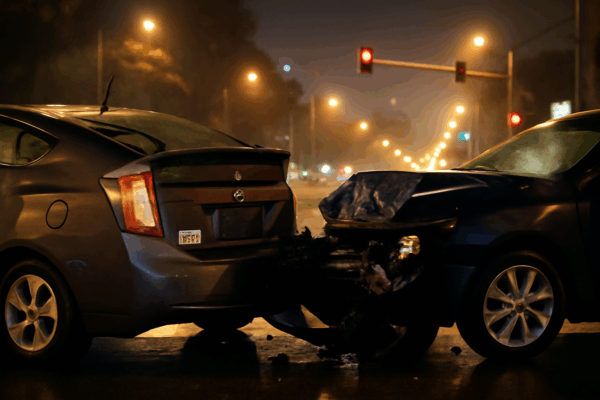
November in Hillsborough County, Florida, is a month marked by numerous events, such as sporting games, concerts, festivals, and the beginning of the holiday season. These events create a surge in the demand for rideshare services like Uber and Lyft, with people choosing these services to avoid the hassle of parking and the risks of driving under the influence or tired after attending late-night festivities. With this increase in rideshare activity, however, comes the heightened likelihood of accidents occurring on busy roads.
During these events, rideshare drivers often operate long hours, particularly late into the evening. While the majority of these trips are completed without incident, accidents do happen. As these events are common in metropolitan areas like Tampa, understanding what happens if an Uber or Lyft crash occurs during these times is essential for both the driver and the passenger.
Understanding the Insurance Policies for Rideshare Accidents
One of the most confusing aspects of rideshare accidents is determining which insurance policy applies in various situations. Unlike traditional vehicle accidents, rideshare incidents involve multiple parties—drivers, passengers, and rideshare companies—which can complicate the process. Here’s an in-depth look at how the different insurance policies work depending on the status of the driver and the circumstances of the crash:
1. When the Rideshare Driver Is Offline
If the rideshare driver is offline (not logged into the app) or has not accepted a passenger request yet, their personal car insurance is the primary policy that will apply in the event of an accident. This is true whether the driver is using their personal vehicle for business or private purposes. Personal car insurance typically does not cover accidents that occur while the vehicle is being used for commercial purposes, like transporting passengers for Uber or Lyft. Therefore, if an accident occurs when the driver is offline, their personal insurance policy will cover the damages and injuries—but only if the driver’s insurance doesn’t exclude commercial use.
Founding Attorney Attorney Attorney
Michael Serrano

Candace “Cea” Hartley

Molli Gard, ESQ.
2. When the Driver Is Logged into the Rideshare App, but Hasn’t Accepted a Ride
Once the driver has logged into the app and is available to accept rides but hasn’t accepted one yet, Uber and Lyft provide liability coverage. This coverage applies in case the driver is involved in an accident while waiting for a passenger request. However, this coverage is limited compared to the full coverage provided when the driver is actually transporting a passenger.
In this scenario, the rideshare company’s insurance policy typically provides the following coverage:
- Bodily Injury Liability: Covers injuries to other people involved in the accident, including pedestrians or people in another vehicle.
- Property Damage Liability: Covers damage to another vehicle or property caused by the rideshare vehicle.
- Contingent Liability Coverage: If the driver’s personal insurance doesn’t apply or is insufficient, Uber or Lyft’s contingent liability coverage might step in.
While this level of coverage provides protection for third parties involved in the crash, it may not fully cover medical bills or damage to the rideshare driver’s own vehicle. Drivers who frequently operate on rideshare platforms should be aware of this limited coverage during the “waiting” period.
Mike Serrano’s law office was everything I needed after a very traumatic accident. He was always super up front and honest with me. I never got the feeling he was trying to sell me on something or to do something that I wasn’t comfortable with. He listened to my concerns and when it tough moments came that I needed to stand my ground. He backed me and made me feel 100% secure. He got me exactly what I needed in a settlement and I would never consider using anyone else. His office staff is also phenomenal.” - Mary Mike Serrano was a great attorney for my case!! He was very flexible with phone calls/ Zoom meetings. His staff are always friendly, whether it be on the phone or emails. They keep you updated during your entire case! They don’t leave you silent for months. if you call, they always call back with updates! Highly recommend!" - Kylie Collier Border I’ve never had to deal with a lawyer before but Mike has set the bar HIGH. He was always available to communicate my concerns and explain each step of the way. I know no other lawyer would have been able to achieve the same results because he jumped on an opportunity that was a little out of the ordinary and it paid off. He really fought for my case and over delivered. I really hope I never have another accident but if I do I’m running to Mike for help." - Sandy Carter
3. When the Driver Has Accepted a Ride and Is En Route to Pick Up a Passenger or Has a Passenger in the Car
When a rideshare driver accepts a ride request and is en route to pick up a passenger, or if the driver already has a passenger in the vehicle, Uber and Lyft provide comprehensive insurance coverage. This coverage includes:
- Bodily Injury Liability: Covers any injuries the driver, passenger, or other parties involved in the accident may sustain.
- Property Damage Liability: Covers any damage to another vehicle or property.
- Comprehensive Coverage: Covers damages to the driver’s own vehicle in case of a crash.
- Uninsured/Underinsured Motorist Coverage: Protects the driver and passengers in case the other party involved in the crash doesn’t have sufficient insurance coverage.
When a driver is actively transporting passengers, Uber and Lyft’s commercial insurance policy becomes the primary source of coverage for both the driver and the passengers in the event of an accident.
What Happens If the Accident Involves a Third Party Vehicle?
In some cases, a rideshare vehicle may cause a crash with another car, which results in injuries to the passengers of the third vehicle or damage to their property. In these situations, Uber and Lyft’s insurance policies will generally cover the damages to the third-party vehicle and injuries to other drivers or passengers. However, the exact amount of coverage may depend on factors such as the rideshare driver’s insurance status, whether the driver was at fault, and if the driver was logged into the app at the time.
For passengers who are injured in a rideshare accident but are not in the Uber or Lyft vehicle, the rideshare company’s insurance will likely cover medical costs, as well as compensation for any property damage caused during the accident.
Choosing The Right Personal Injury Attorney Personal Injury Settlement TimelineRelated Videos
How to Handle an Uber or Lyft Accident Claim
When involved in a rideshare accident, whether as a passenger or another driver, the steps taken immediately after the accident will play a critical role in the success of your claim. Here are the steps you should follow:
1. Report the Accident to the Authorities and Rideshare Company
After ensuring that everyone is safe and that medical assistance is called if necessary, the first step is to report the accident to the local authorities. A police report is crucial for documentation purposes and can be valuable when filing a claim with insurance companies. Additionally, report the accident to the rideshare company via the app, as they will need to initiate their own internal investigation.
2. Gather Evidence and Document the Scene
Take photos of the accident scene, including any damage to the vehicles involved, license plates, and any visible injuries. If possible, gather witness statements from anyone who saw the accident happen. Having comprehensive documentation can help support your case and provide necessary evidence for the insurance claim.
Case Results
3. File an Insurance Claim
Once you’ve reported the accident, you may need to file a claim with either the rideshare company’s insurance or the driver’s personal insurance, depending on the circumstances of the crash. Be prepared to provide all necessary documentation, including the police report, photographs, and medical records, if applicable.
4. Consult a Personal Injury Attorney
Rideshare accident claims can be complex due to the multiple parties and insurance policies involved. It’s often beneficial to seek the guidance of a personal injury attorney who specializes in rideshare accidents. They can help you navigate the claims process, deal with insurance companies, and ensure that your rights are protected throughout the process.
Legal Considerations in Hillsborough County
In Florida, comparative negligence laws are in effect, which means that if you are partially at fault for the accident, your compensation may be reduced by your percentage of fault. For example, if you were involved in a rideshare accident and found to be 20% at fault, your compensation could be reduced by 20%. Therefore, it’s important to work with an attorney who understands the intricacies of Florida’s personal injury laws and can help advocate for you in the event of an accident.
Why Consulting an Attorney Is Critical in Rideshare Cases
Rideshare accidents can be more complicated than traditional car accidents because of the involvement of multiple insurance companies. If you’re unsure which insurance policy applies to your case, or if you’re facing challenges during the claims process, it’s essential to consult with an experienced attorney. An attorney can help you navigate the legal complexities, communicate with insurance companies on your behalf, and fight for the compensation you deserve.
When accidents involving Uber or Lyft occur in Hillsborough County, particularly after late-night events, it’s essential to understand the insurance policies in place for such incidents. Whether you’re a passenger, another driver, or a rideshare driver, knowing how these policies work and taking the right steps after an accident can make a significant difference in receiving the compensation you’re entitled to. If you find yourself involved in a rideshare accident, reach out to an experienced personal injury lawyer at Serrano Law for a free consultation and guidance through the claims process.