
Tampa, a vibrant city in Florida, regularly plays host to events that attract large crowds, including the iconic Tampa Bay Buccaneers games, annual music festivals, and various other local gatherings. When such events occur, one thing that becomes evident is the surge in rideshare demand. Whether it’s fans attending a football game at Raymond James Stadium or people heading out for a night of fun in the city, the demand for Uber and Lyft rides increases dramatically. However, with the surge in rideshare requests, there are also higher chances of accidents, and understanding how rideshare insurance works during such events becomes crucial.






The Surge in Rideshare Demand After Major Events 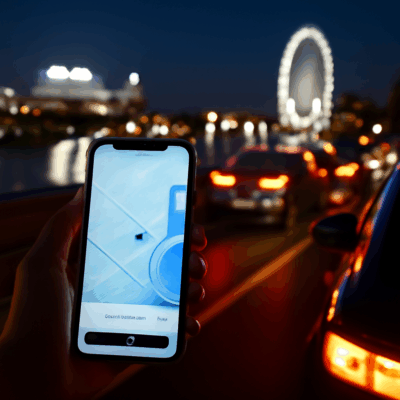
Rideshare companies like Uber and Lyft typically adjust their prices based on demand. These price adjustments are what we commonly refer to as “surges.” During major events in Tampa, these surges can be quite significant, as more people are looking for convenient transportation to and from the venue. Major Tampa events, such as sporting events or music festivals, bring a large influx of visitors to the city. For Uber and Lyft drivers, this surge in demand can be an opportunity for higher earnings. However, the high volume of vehicles on the road also means that the likelihood of accidents increases, which raises important questions about insurance coverage for both drivers and passengers.
What Causes the Surge in Rideshare Demand?
Several factors contribute to the surge in rideshare demand. First and foremost, major events in Tampa, like a Buccaneers’ game, draw large crowds of people who need efficient transportation options. Local festivals and gatherings can also create an influx of people who prefer ridesharing over traditional forms of transport due to convenience, especially when parking can be scarce or expensive.
Another factor contributing to the surge is the sheer number of people leaving events simultaneously. As everyone leaves the stadium or venue, rideshare services experience a wave of requests. Uber and Lyft adjust their pricing algorithms accordingly to reflect the high demand, incentivizing more drivers to hit the roads. The result is increased fares, and while it’s beneficial for the drivers, it also means that passengers may end up paying much more than usual.
Founding Attorney Attorney
Michael Serrano

Molli Gard, ESQ.
But with the increased demand comes an increase in risk. More drivers on the road during surges means higher chances of accidents, and that’s where understanding insurance coverage comes into play.
Rideshare Insurance: How It Works and What It Covers
Rideshare insurance can be a confusing topic for both drivers and passengers, especially when surges are involved. Uber and Lyft both provide different levels of insurance coverage depending on the phase of the ride. Here’s a closer look at how rideshare insurance works during each phase:
Period 1: Driver is Online, Awaiting a Ride Request
During Period 1, the driver is online and available but hasn’t yet accepted a ride request. At this stage, the driver is typically covered by their personal auto insurance, which often won’t cover rideshare-related incidents. Uber and Lyft do not offer commercial insurance during this phase. So, if an accident were to occur while the driver is waiting for a ride, it would likely be covered by their personal insurance policy, assuming that it includes rideshare coverage (not all personal policies do). However, if the driver’s personal policy excludes ridesharing, the driver could be on the hook for the damages.
Period 2: Driver Has Accepted a Ride Request
Once the driver accepts a ride request and is en route to pick up the passenger, rideshare insurance comes into play. Uber and Lyft’s liability insurance kicks in at this point, covering both the driver and the passenger. This period is the most crucial for both parties in terms of coverage, as it provides liability coverage for accidents caused by the driver during the trip to pick up the passenger. In this phase, Uber and Lyft generally provide coverage up to $1 million in liability, which includes bodily injury and property damage. However, it’s essential to remember that this coverage only applies to incidents involving the driver’s vehicle and the passenger.
Mike Serrano’s law office was everything I needed after a very traumatic accident. He was always super up front and honest with me. I never got the feeling he was trying to sell me on something or to do something that I wasn’t comfortable with. He listened to my concerns and when it tough moments came that I needed to stand my ground. He backed me and made me feel 100% secure. He got me exactly what I needed in a settlement and I would never consider using anyone else. His office staff is also phenomenal.” - Mary Mike Serrano was a great attorney for my case!! He was very flexible with phone calls/ Zoom meetings. His staff are always friendly, whether it be on the phone or emails. They keep you updated during your entire case! They don’t leave you silent for months. if you call, they always call back with updates! Highly recommend!" - Kylie Collier Border I’ve never had to deal with a lawyer before but Mike has set the bar HIGH. He was always available to communicate my concerns and explain each step of the way. I know no other lawyer would have been able to achieve the same results because he jumped on an opportunity that was a little out of the ordinary and it paid off. He really fought for my case and over delivered. I really hope I never have another accident but if I do I’m running to Mike for help." - Sandy Carter
This phase also includes uninsured or underinsured motorist coverage. If another vehicle is involved in the accident and the other driver does not have sufficient insurance, Uber and Lyft’s policy can cover the damages, up to the limit.
Period 3: Passenger is in the Car
The final phase is when the passenger is in the car and the ride is in progress. During this period, Uber and Lyft offer full coverage. Both the driver and the passenger are fully covered by rideshare insurance, which includes up to $1 million in liability coverage for injuries and damages caused by accidents. This phase also covers the driver for any injuries sustained by the passenger and any damage done to the passenger’s belongings. In other words, both parties are fully protected during the trip from the moment the passenger gets in the car until the ride is complete.
Choosing The Right Personal Injury Attorney Personal Injury Settlement TimelineRelated Videos
What Happens If an Accident Occurs During a Tampa Event Surge?
Given that Tampa sees such a high volume of rideshare activity during major events, accidents are an unfortunate reality. But how does insurance factor into these crashes? After a crash, the insurance process may not always be straightforward. The surge pricing aspect adds complexity, especially if there is confusion over which phase of the ride the accident occurred in.
In the aftermath of a Tampa event-related crash, several things should be taken into consideration:
- Document Everything: Whether you’re a driver or a passenger, documenting every detail of the accident is crucial. This includes noting the event that triggered the surge, the time of the crash, the severity of the damage, and any other factors that may help in the claims process. The surge factor may influence insurance adjusters, and it’s essential to provide evidence of the surge to support your claim.
- Florida’s No-Fault System: Florida operates under a no-fault insurance system, which means that Personal Injury Protection (PIP) is mandatory for drivers. PIP helps cover medical expenses regardless of who was at fault for the accident. If you are injured, your PIP coverage will help pay for your medical bills, but it might not be enough to cover all your damages. In cases where the injury is severe, you may be able to file a lawsuit to recover additional damages.
- Rideshare-Specific Claims: Even though Uber and Lyft provide liability coverage, the insurance process can become complicated if either party is at fault. It’s important to understand that rideshare insurance might not automatically cover damages to your personal property unless it was a part of the ride. For example, if a driver causes a crash while en route to pick up a passenger (in Period 2), you may need to rely on personal or commercial insurance, which can complicate the process.
- Legal Advice: Given the complexity of these cases, seeking legal advice is often necessary. A lawyer who specializes in personal injury or rideshare accidents can help guide you through the process, ensure that all insurance claims are filed correctly, and negotiate on your behalf if necessary.
Case Results
How to Protect Yourself in Rideshare Crashes
Whether you’re a driver or a passenger, there are steps you can take to minimize your risk and ensure you’re covered:
- Ensure Proper Coverage: Drivers should review their personal auto insurance policies to ensure that they include rideshare coverage. Without this, they may face complications in the event of an accident. Passengers should verify that the rideshare company they’re using provides adequate insurance, especially in cases involving serious injury.
- Keep Track of Events: Surge pricing is often tied to events in Tampa, so tracking these events can help you understand when surge pricing is most likely to occur. If you’re a driver, understanding the typical surge areas and times can help you be more prepared during these high-traffic periods.
- Know Your Rights: Familiarize yourself with Florida’s laws and your rights as both a driver and a passenger. Understanding your PIP coverage and how it fits into the overall insurance process is key to making sure you’re not left with out-of-pocket expenses.
- Consult Legal Experts: If you’re involved in a crash, consulting an attorney can provide clarity on how to navigate the insurance process and any legal implications of the accident.
Conclusion
The surge in Uber and Lyft rides following major Tampa events presents both opportunities and risks. While these surges can bring in more business for drivers, they also increase the likelihood of accidents, and knowing how insurance works during these events is vital. For both drivers and passengers, understanding the phases of rideshare insurance coverage and what to expect in case of a crash can make a significant difference. When in doubt, seeking legal assistance can ensure that your claim is handled appropriately and that your rights are protected.
For more information or assistance regarding personal injury claims, consult Serrano Law, your trusted legal partner in Tampa Bay and Hillsborough County.
To learn more about this subject click here: Understanding Liability in Rideshare Accidents in Florida