
Accidents involving rental cars can be complicated, especially when a visiting driver is involved. In Hillsborough County, Florida, a range of factors, from insurance coverage to Florida’s specific laws, determines who is financially responsible in a rental car accident. This guide will walk you through the essential steps to take after an accident, who may be liable, and how to proceed with your case effectively.


Understanding Rental Car Insurance in Florida 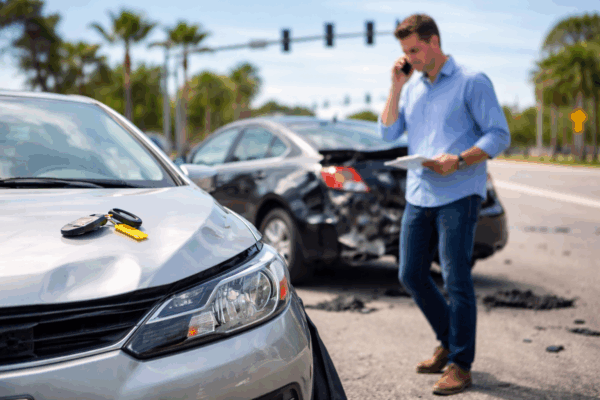
Rental car accidents often involve confusion regarding insurance coverage, especially when the driver is a visitor from out of state or country. If you’re a visitor in Florida, understanding the different types of rental car insurance and your rights as a driver is crucial.
- Collision Damage Waiver (CDW)
One of the primary forms of insurance you may be offered when renting a car is the Collision Damage Waiver (CDW). This coverage protects the rental car from damages caused by a collision, whether you are at fault or not. However, this coverage typically does not extend to injuries sustained by passengers or damage to other vehicles.
Visitors to Florida should carefully review the terms of the CDW to understand its limitations. Some CDWs have exclusions for certain types of damage, such as damage to tires, windows, or undercarriage. Additionally, this waiver may be void if the driver was under the influence of alcohol or drugs at the time of the accident. - Liability Insurance
Liability coverage is another crucial component that protects against damages caused to other people or property in the event of an accident. If you’re involved in a rental car accident in Florida and found at fault, liability insurance can cover medical expenses for injuries and repair costs for damage to other vehicles.
However, liability insurance from the rental company might not be sufficient, especially for more severe accidents. Florida law requires that all drivers carry a minimum amount of liability insurance, but it’s often advisable to consider supplemental coverage when renting a vehicle in the state.
Founding Attorney Attorney
Michael Serrano

Molli Gard, ESQ.
- Personal Auto Insurance
Visitors who already have personal auto insurance from their home state may be able to extend that coverage to a rental car. Many personal auto insurance policies cover rental cars, but it’s important to verify this before you rent. Typically, comprehensive and collision coverage will apply to rental cars, meaning damage to the rental car is covered if you’re in an accident.
If your personal insurance covers rental cars, you may be able to waive some of the rental company’s insurance options. However, this depends on your policy’s terms, so be sure to check with your insurer. - Credit Card Coverage
Some credit cards provide rental car insurance if you use the card to pay for the rental. This can serve as secondary insurance, meaning it may only apply after other insurance (like your personal auto insurance) has been exhausted.
Credit card rental insurance may cover damages to the vehicle and certain liabilities, but it often has limits and exclusions. Additionally, it typically doesn’t cover injury claims or damage to other vehicles, so you may still need to purchase additional coverage for those types of incidents.
Who Is Responsible for a Rental Car Accident?
One of the most challenging aspects of dealing with a rental car accident is determining liability, especially when a visiting driver is involved. Florida operates under a comparative negligence law, which means that fault can be shared among the involved parties. Understanding how this law applies to your accident is essential for determining how much compensation you may be entitled to.
Mike Serrano’s law office was everything I needed after a very traumatic accident. He was always super up front and honest with me. I never got the feeling he was trying to sell me on something or to do something that I wasn’t comfortable with. He listened to my concerns and when it tough moments came that I needed to stand my ground. He backed me and made me feel 100% secure. He got me exactly what I needed in a settlement and I would never consider using anyone else. His office staff is also phenomenal.” - Mary Mike Serrano was a great attorney for my case!! He was very flexible with phone calls/ Zoom meetings. His staff are always friendly, whether it be on the phone or emails. They keep you updated during your entire case! They don’t leave you silent for months. if you call, they always call back with updates! Highly recommend!" - Kylie Collier Border I’ve never had to deal with a lawyer before but Mike has set the bar HIGH. He was always available to communicate my concerns and explain each step of the way. I know no other lawyer would have been able to achieve the same results because he jumped on an opportunity that was a little out of the ordinary and it paid off. He really fought for my case and over delivered. I really hope I never have another accident but if I do I’m running to Mike for help." - Sandy Carter
- At-Fault Drivers
If another driver causes the accident, they will typically be liable for the damages. In Florida, the at-fault driver’s insurance is responsible for covering medical bills, repair costs, and other expenses resulting from the accident. If the at-fault driver has sufficient insurance, the process should be relatively straightforward, and you can file a claim with their insurer. - Rental Company Responsibility
In some cases, the rental company may bear some responsibility for the accident, especially if there was an issue with the car’s condition. For example, if the rental company provided a vehicle that was not properly maintained or had a defect that caused the crash, they may be partially or fully liable.
It’s important to thoroughly inspect the rental car before driving it and report any existing damage to the rental company. If there’s a mechanical failure involved in the accident, the rental company might be held accountable. - Liability Waivers and Insurance Coverage
Rental companies offer different levels of insurance coverage. In some cases, rental car companies may try to avoid liability by pushing visitors to waive their rights to certain claims through the insurance waiver options. However, you should not blindly accept these waivers without understanding their implications. In some cases, the rental company’s insurance may cover some costs, but you could still be left with medical bills or damage expenses. - Uninsured or Underinsured Motorists
If the at-fault driver does not have sufficient insurance coverage to cover the damages, you may need to rely on your own uninsured/underinsured motorist coverage. This type of coverage is particularly important for visitors who are renting cars in Florida. If you are not at fault but the responsible party has no insurance or inadequate insurance, your own insurance may help cover the costs.
Florida is one of the states where personal injury protection (PIP) is mandatory, but this typically only applies to injuries sustained by the policyholder. If you do not have PIP insurance through a Florida-based policy, you may need to look into supplementary insurance coverage offered by the rental company.
Choosing The Right Personal Injury Attorney Personal Injury Settlement TimelineRelated Videos
What to Do After a Rental Car Accident
If you’re involved in a rental car accident while visiting Hillsborough County, there are several steps you should take to ensure that your rights are protected, and your case is handled efficiently.
- Check for Injuries
Your first priority should always be the safety and well-being of everyone involved in the accident. If anyone is injured, call emergency services immediately. If it’s a minor accident with no injuries, you should still contact the authorities to file a police report. - Document the Scene
It’s essential to document everything at the scene of the accident. Take clear photographs of the scene, the rental car, any other vehicles involved, and any visible damages. Record the names and contact details of any witnesses, as their statements may be crucial in determining fault later on.
Additionally, ensure you obtain a copy of the police report, which may provide further details regarding the accident’s circumstances and help establish liability. - Report the Incident to the Rental Company
Rental companies require that you report any accidents that occur during the rental period. They may have specific procedures for handling accidents, including the need to file certain paperwork or provide a damage report. Be sure to follow their guidelines carefully to avoid any complications with your claim.
In some cases, the rental company may require you to pay a deductible or cover some portion of the damages upfront, especially if you did not purchase full coverage.
Case Results
- Consult a Personal Injury Attorney
Navigating an accident claim, especially involving a rental car and multiple insurers, can be overwhelming. An experienced personal injury attorney can help you understand your rights, deal with insurance companies, and ensure that you receive the compensation you deserve.
Serrano Law specializes in personal injury claims in Hillsborough County, and their team can guide you through the entire process, from filing claims to pursuing a lawsuit if necessary. - Florida’s Comparative Negligence Law
In Florida, it’s important to remember that fault doesn’t have to be all-or-nothing. If both parties share responsibility for the accident, the comparative negligence rule allows you to receive compensation proportional to the degree of fault assigned to each party. For example, if you are found to be 20% at fault, you can still recover 80% of the damages.
Dealing with a rental car accident while visiting Hillsborough County can be a complex and stressful situation. Whether you are at fault or another driver is responsible, it’s crucial to understand your insurance coverage, the local laws, and the steps you need to take to ensure you are protected. Remember, rental car companies, insurance providers, and the laws governing liability can be complicated, so seeking the assistance of an experienced personal injury attorney, such as those at Serrano Law, can help you navigate this challenging situation.
To learn more about this subject click here: Thanksgiving Week Wrecks on I-75 and I-275: PIP, Property Damage, and Rental Car Steps After a Crash