
Florida’s reputation for warm, sunny weather makes it a great place to live, but when cold fronts make their rare appearance, they can bring dangerous driving conditions. Minor accidents, often dismissed as simple fender benders, can suddenly escalate into serious collisions. At Serrano Law, we understand the challenges faced by drivers in these situations and how weather conditions play a significant role in the severity of accidents. Understanding how cold fronts affect Florida’s roadways is crucial to ensuring your safety during these seasonal shifts.






How Cold Fronts Affect Florida’s Road Conditions 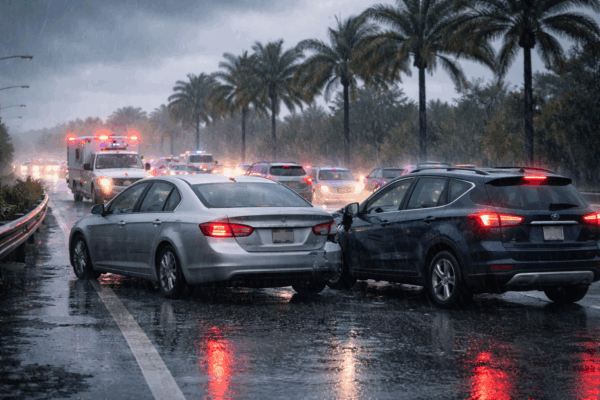
Florida is not known for snow or icy conditions, but cold fronts can bring significant weather changes. These shifts in temperature and moisture levels can create dangerous driving conditions. Typically, a cold front brings cooler temperatures, rain, and wind, which are all factors that can increase the risk of accidents. Cold fronts often arrive with an abrupt drop in temperature, especially in the early morning hours, which can cause moisture on the roadways to condense and create slippery conditions.
Rain is a common feature of these fronts, turning even dry roads into slick surfaces. While the rain may seem like a minor inconvenience, it can reduce traction, especially when oil from cars mixes with the rainwater, creating a slick and hazardous road surface. These conditions can cause drivers to lose control of their vehicles, leading to accidents that would otherwise be preventable in drier, warmer weather.
Drivers’ Reactions to Cold Weather
Another factor to consider during a cold front is how drivers react to changing weather conditions. Many Florida drivers are used to year-round warmth and do not always take the necessary precautions when a cold front rolls in. Because cold fronts are relatively rare in Florida, many drivers don’t anticipate them, resulting in unexpected and often dangerous behavior on the road.
Drivers may not reduce their speeds on wet, slick roads, increasing their chances of skidding or losing control. Following distances might shrink as well, as drivers may fail to account for the extended time it takes to stop on wet or slippery roads. These mistakes are even more dangerous when the weather turns cold, as the body’s natural reaction to the cold is to tighten up, leading to delayed reflexes in the event of an emergency. The colder temperatures may also impact a driver’s ability to concentrate, causing fatigue and lapses in judgment.
Founding Attorney Attorney Attorney
Michael Serrano

Candace “Cea” Hartley

Molli Gard, ESQ.
How Cold Weather Can Make Minor Collisions Worse
What would normally be a minor fender bender can quickly turn into a much more serious accident during cold weather conditions. When a car collides with another vehicle or stationary object, the impact forces the body to react. However, during cold weather, muscles tend to be more rigid due to the lower temperatures, which can amplify the severity of any injury. This increase in muscle stiffness, combined with the sudden nature of a crash, can result in more severe soft tissue injuries, such as whiplash and back strains.
The cold weather’s impact on the body doesn’t stop with muscle stiffness. It also affects blood circulation, making the body less able to absorb shock and impact. For example, even a minor rear-end collision that would typically cause mild discomfort can lead to more serious pain or muscle injuries when the body is not able to respond as quickly. The same applies to head injuries, as the stiffness of neck and shoulder muscles may contribute to more severe effects when struck by the impact.
Cold Weather and Vehicle Performance
In addition to the physical effects on drivers and passengers, cold weather also affects vehicle performance. Tires, for instance, lose some of their grip in cold weather. When temperatures drop, tire rubber becomes harder and less able to grip the road, especially when combined with wet conditions. These reduced grip levels can extend the stopping distance of vehicles, causing rear-end collisions to become more serious and even resulting in multi-car pileups in severe cases.
Cold fronts also affect the vehicle’s braking system. When temperatures fall, the air in the brake lines can become thicker, reducing the effectiveness of the vehicle’s brakes. Drivers may find themselves needing to apply more pressure to the brake pedal to stop their vehicle, and when roads are slick, this can lead to skidding or even the inability to stop entirely. As a result, what would normally be a minor collision may become a much more dangerous situation when cold front conditions are present.
Mike Serrano’s law office was everything I needed after a very traumatic accident. He was always super up front and honest with me. I never got the feeling he was trying to sell me on something or to do something that I wasn’t comfortable with. He listened to my concerns and when it tough moments came that I needed to stand my ground. He backed me and made me feel 100% secure. He got me exactly what I needed in a settlement and I would never consider using anyone else. His office staff is also phenomenal.” - Mary Mike Serrano was a great attorney for my case!! He was very flexible with phone calls/ Zoom meetings. His staff are always friendly, whether it be on the phone or emails. They keep you updated during your entire case! They don’t leave you silent for months. if you call, they always call back with updates! Highly recommend!" - Kylie Collier Border I’ve never had to deal with a lawyer before but Mike has set the bar HIGH. He was always available to communicate my concerns and explain each step of the way. I know no other lawyer would have been able to achieve the same results because he jumped on an opportunity that was a little out of the ordinary and it paid off. He really fought for my case and over delivered. I really hope I never have another accident but if I do I’m running to Mike for help." - Sandy Carter
The Danger of Foggy Conditions
Another danger associated with cold fronts is fog. In Florida, cold fronts can cause rapid temperature changes, particularly in the morning. The cooler air interacts with the warm, moist air, creating dense fog that severely limits visibility. Even experienced drivers can find themselves caught off guard in these conditions. Reduced visibility increases the likelihood of rear-end collisions and other accidents, as drivers are unable to see vehicles ahead of them or react to obstacles on the road.
Fog creates a similar effect to driving at night, making it difficult to judge distance and speed. This is especially problematic when coupled with the other hazards of a cold front, such as wet roads and tired drivers. It’s not unusual for accidents that start as minor fender benders to quickly spiral out of control in these low-visibility situations.
Choosing The Right Personal Injury Attorney Personal Injury Settlement TimelineRelated Videos
What You Can Do to Stay Safe During a Cold Front
To reduce the risks of a car accident during a cold front in Florida, here are a few practical tips:
- Adjust Your Speed: Driving too fast on slick roads can be a major cause of accidents. Slow down, especially when you notice rain or fog, and allow yourself more time to react to sudden changes in road conditions.
- Increase Following Distance: Leave extra space between your vehicle and the one in front of you. This will give you more time to stop if the vehicle in front of you unexpectedly brakes.
- Check Your Vehicle: Ensure that your tires are in good condition and properly inflated. Also, check your brakes and make sure they are functioning optimally, especially before the arrival of a cold front.
- Stay Alert: Pay attention to the weather and adjust your driving habits accordingly. Even a small amount of fog or rain can change the dynamics of the road, so stay alert and be ready for sudden changes in conditions.
- Use Fog Lights: If you encounter fog, use your vehicle’s fog lights to improve visibility. However, be mindful of using them in low-visibility areas where other drivers may be distracted by your bright lights.
What to Do if You’re Involved in a Cold Weather Collision
Even if you follow all safety precautions, accidents can still happen. If you are involved in a minor fender bender during a cold front, the best course of action is to stay calm and assess the situation. Check for injuries, call the authorities, and exchange information with the other driver. If you suspect that the cold weather played a role in the accident, it’s a good idea to contact a personal injury lawyer who can help you understand your rights and protect your interests.
At Serrano Law, we have experience dealing with accidents caused by sudden weather changes. If you’ve been involved in an accident during a cold front, our team can help you navigate the legal complexities and fight for the compensation you deserve.
Case Results
Consult with an Experienced Florida Accident Lawyer
The weather in Florida can change rapidly, and with that change comes an increase in the risk of car accidents. Cold fronts may seem harmless, but they bring conditions that can make minor accidents more serious. Whether you’re dealing with a fender bender or a more severe accident, it’s important to seek legal advice. At Serrano Law, we offer free consultations to help you understand your rights and take the next steps after an accident.