
Rideshare services like Uber and Lyft have become essential in modern transportation, offering quick and convenient options for getting around. However, a rideshare accident involving these vehicles is an unfortunate reality in places like Hillsborough County, Florida. When a crash happens, figuring out who is responsible for paying for damages can be complex, especially when both the driver’s insurance and the rideshare company’s insurance point fingers at each other.






In Hillsborough County, which includes cities like Tampa, accidents involving Uber and Lyft vehicles are not uncommon. If you are involved in such a rideshare accident, it’s important to know your rights and understand how insurance coverage works in these cases. Determining liability can be a challenge, especially when both insurers fail to acknowledge responsibility. Understanding the coverage provided by Uber and Lyft and what steps to take after an accident can help you navigate these complicated situations and ensure you get the compensation you deserve.
How Insurance Works in Rideshare Accidents 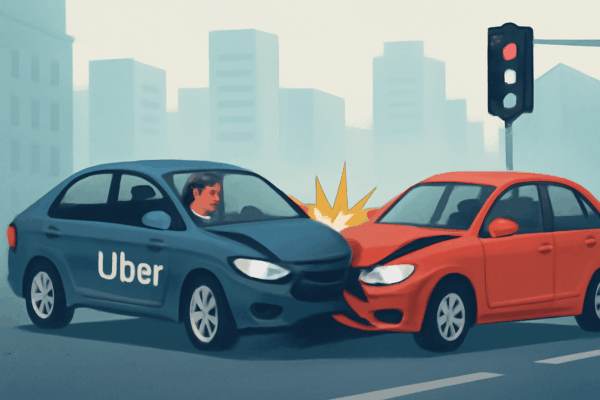
When you’re involved in a rideshare accident, the first question that often arises is which insurance company will cover your damages. The complexity stems from the fact that both the rideshare driver and the rideshare company have their own insurance policies. To complicate matters further, the liability often depends on whether the driver was actively transporting a passenger or simply waiting for a ride request.
In many cases, rideshare drivers have personal auto insurance policies, which are intended to cover damages when they’re not driving for Uber or Lyft. However, when they are working, their personal policy may not be enough to fully cover the damages, leading to confusion over which insurance should take responsibility.
Founding Attorney Attorney Attorney
Michael Serrano

Candace “Cea” Hartley

Molli Gard, ESQ.
Uber and Lyft also offer insurance coverage for accidents that occur while a driver is working, but these policies are divided into different coverage phases. Each phase offers varying levels of insurance based on the driver’s activity. To better understand this, it’s important to know how these phases work.
Non-Driver Mode Coverage
In the event of an accident that occurs when the driver is not in “driver mode,” meaning they’re not actively using the Uber or Lyft app, the situation is relatively simple. The driver’s personal auto insurance should cover the damages. However, this is only true if the driver has sufficient coverage. Unfortunately, many personal auto insurance policies have exclusions when the vehicle is used for commercial purposes, like ridesharing. In such cases, the driver’s personal insurer may deny the claim, leaving you to pursue legal action to get compensated for your injuries and damages.
Driver Mode Coverage Without a Passenger
When the driver is logged into the Uber or Lyft app and waiting for a ride request, both companies provide coverage to bridge the gap. In this case, Uber and Lyft provide liability insurance to cover bodily injury and property damage. However, this coverage may not be sufficient in all cases, especially if the damages are extensive.
Uber’s insurance policy provides up to $50,000 in bodily injury coverage per person, up to $100,000 per accident, and $25,000 for property damage. Lyft offers similar coverage in this phase, although the limits and terms may differ slightly. If the driver’s personal policy does not cover the damages, the rideshare insurance will likely step in. However, in situations where the rideshare company’s coverage is not enough, you may need to rely on other sources to cover your medical bills and other expenses.
Mike Serrano’s law office was everything I needed after a very traumatic accident. He was always super up front and honest with me. I never got the feeling he was trying to sell me on something or to do something that I wasn’t comfortable with. He listened to my concerns and when it tough moments came that I needed to stand my ground. He backed me and made me feel 100% secure. He got me exactly what I needed in a settlement and I would never consider using anyone else. His office staff is also phenomenal.” - Mary Mike Serrano was a great attorney for my case!! He was very flexible with phone calls/ Zoom meetings. His staff are always friendly, whether it be on the phone or emails. They keep you updated during your entire case! They don’t leave you silent for months. if you call, they always call back with updates! Highly recommend!" - Kylie Collier Border I’ve never had to deal with a lawyer before but Mike has set the bar HIGH. He was always available to communicate my concerns and explain each step of the way. I know no other lawyer would have been able to achieve the same results because he jumped on an opportunity that was a little out of the ordinary and it paid off. He really fought for my case and over delivered. I really hope I never have another accident but if I do I’m running to Mike for help." - Sandy Carter
Driver Mode With a Passenger
When the driver has a passenger in the vehicle, Uber and Lyft provide the most comprehensive coverage. This phase of coverage typically includes up to $1 million in liability coverage for bodily injury and property damage. This coverage also applies if you’re injured as a passenger or if the accident involves another vehicle. It’s important to note that if the accident occurred while the driver was in this phase, Uber and Lyft are generally responsible for providing the bulk of the insurance coverage.
However, even in this scenario, there can be complications. If the accident occurred because of a negligent third party or another driver, that person’s insurance might be required to cover your damages. Navigating this process can be challenging, and it’s always wise to seek legal advice if you find yourself in this situation.
What Happens When Both Insurers Deny Liability
In many rideshare accidents, insurance companies may point fingers at each other, making it difficult to determine who is responsible for paying. If both Uber or Lyft’s insurance and the driver’s personal insurance deny liability, it’s essential to take the proper steps to protect yourself.
Choosing The Right Personal Injury Attorney Personal Injury Settlement TimelineRelated Videos
The first thing you should do is contact an attorney who specializes in rideshare accidents. A skilled personal injury lawyer can help you navigate the complicated insurance landscape and work on your behalf to ensure that your medical bills and property damage are covered.
In some cases, you may need to file a personal injury lawsuit to get compensation. If both insurance companies refuse to take responsibility, your lawyer can help you file a lawsuit against the at-fault driver, Uber or Lyft, or another third party. This is particularly important if you’ve been seriously injured and need compensation for ongoing medical treatments, lost wages, and pain and suffering.
Documenting Your Injuries and Damages
To strengthen your case and make sure you are fairly compensated, it’s important to document all of your injuries and damages. This includes keeping track of medical records, prescription bills, hospital visits, repair costs for your vehicle, and any other expenses you incur due to the accident.
Taking photos of the scene of the accident, getting witness statements, and having a police report filed will also help you build a strong case. All of this documentation will be crucial if you need to pursue a personal injury claim or negotiate with the insurance companies.
Uninsured or Underinsured Motorist Coverage
If the driver involved in your accident does not have sufficient insurance to cover your damages, your own insurance may offer protection through uninsured or underinsured motorist coverage. This type of coverage is designed to help cover the costs of accidents involving drivers who do not have adequate insurance.
If you have this coverage as part of your personal auto insurance policy, it can be used to pay for medical expenses, property damage, and lost wages resulting from an accident where the at-fault driver does not have sufficient coverage. Even if you are not the at-fault driver, this coverage can offer you valuable protection in the event that the other driver’s insurance falls short.
Steps to Take After a Rideshare Accident
After being involved in an Uber or Lyft accident, it’s important to take the following steps to ensure that your rights are protected:
- Call the Police: Always call the police after a rideshare accident. A police report will serve as important evidence if you need to file a claim or lawsuit.
- Seek Medical Attention: Even if you don’t think you’ve been seriously injured, it’s important to seek medical attention after an accident. Some injuries may not show symptoms right away.
- Collect Information: Get the contact information of all parties involved in the accident, including the driver, any passengers, and witnesses. Additionally, gather information about the rideshare app, such as the driver’s name and vehicle details.
- Contact a Personal Injury Lawyer: Speak with a personal injury attorney who has experience with rideshare accidents. They can help you understand your rights and guide you through the claims process.
Rideshare accidents in Hillsborough County can quickly become complicated, with multiple insurance companies involved and conflicting liability claims. Understanding how Uber and Lyft insurance works is essential when you find yourself in an accident. If both insurance companies deny liability, it’s crucial to seek legal advice to ensure that you are properly compensated for your injuries and damages.
By documenting your injuries, filing a claim, and consulting with an experienced personal injury attorney, you can better navigate the complexities of rideshare accidents and improve your chances of receiving fair compensation. The process may be difficult, but with the right support, you can ensure that your rights are protected and that you receive the justice you deserve. Contact Serrano Law today for a free consultation and get the trusted legal guidance you need to move forward with confidence.