
Florida’s winter mornings may not be as cold as those up north, but they still come with hidden dangers for drivers. Reduced visibility, damp roads, and the occasional black ice create driving hazards that can easily lead to accidents. Understanding the risks associated with winter mornings can help Florida drivers stay safe and prevent costly mishaps.






Understanding Florida’s Winter Morning Driving Hazards 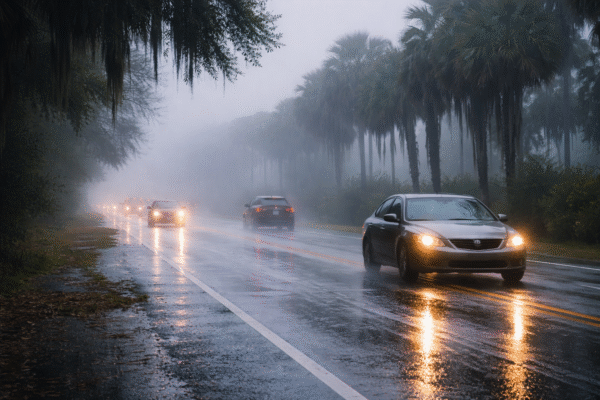
While most people associate winter driving hazards with snowy, icy conditions, Florida drivers face their own unique challenges during the cooler months. Mike Serrano and his team at Serrano Law know that winter mornings in Florida, particularly between the hours of 5:00 a.m. and 8:00 a.m., pose significant risks due to a combination of weather and road conditions that might seem benign at first but can cause dangerous driving situations.
Dew and Fog: The Silent Road Hazards
In Florida, winter mornings are often damp with heavy dew, a result of the high humidity and lower temperatures. This creates a slick coating on the roads, particularly on bridges, overpasses, and rural highways, which are more prone to condensation. Although drivers may not immediately recognize the risks of dew, the moisture can mix with dirt, oil, and other debris left on the roads, making them slippery and unpredictable.
In addition to the dew, fog is another challenge. Fog in the early morning hours reduces visibility, making it harder to judge distances, spot vehicles or pedestrians, and react to obstacles. The fog is typically heavier in the colder months, especially on rural roads or highways near bodies of water. When fog combines with the moisture on the roads, the risk of accidents increases dramatically, especially for drivers who are unprepared or unfamiliar with these conditions.
Founding Attorney Attorney Attorney
Michael Serrano

Candace “Cea” Hartley

Molli Gard, ESQ.
Black Ice: A Rare but Serious Danger
Although black ice is a term commonly associated with colder states, it can also be a hazard in Florida during the winter. While the state does not frequently experience freezing temperatures, there are occasions when the mercury dips low enough for black ice to form. Black ice is nearly invisible, especially in areas where bridges or overpasses cool more quickly than the surrounding roads. Black ice forms when the temperature drops to freezing or below, making it hard for drivers to detect the slick layer on the road’s surface until it’s too late.
Bridges and overpasses are particularly susceptible to this phenomenon because they cool from both the top and bottom, unlike regular roadways. These surfaces are more likely to accumulate ice and can be incredibly dangerous for drivers unaware of the potential risk. The result is a sudden loss of traction, causing vehicles to slide, spin, and even crash if proper precautions aren’t taken.
Morning Rush: The Risk of Rushing
The combination of early morning fog, damp roads, and the occasional black ice makes Florida’s morning commute particularly hazardous. Drivers are often in a hurry to get to work or school, which can lead to reckless behaviors like speeding, tailgating, or not allowing enough space between vehicles. The desire to make up for lost time due to delays or oversleeping increases the chance of collisions, especially when drivers fail to adjust their speed or driving habits to account for the slick, wet roads.
Mike Serrano’s law office was everything I needed after a very traumatic accident. He was always super up front and honest with me. I never got the feeling he was trying to sell me on something or to do something that I wasn’t comfortable with. He listened to my concerns and when it tough moments came that I needed to stand my ground. He backed me and made me feel 100% secure. He got me exactly what I needed in a settlement and I would never consider using anyone else. His office staff is also phenomenal.” - Mary Mike Serrano was a great attorney for my case!! He was very flexible with phone calls/ Zoom meetings. His staff are always friendly, whether it be on the phone or emails. They keep you updated during your entire case! They don’t leave you silent for months. if you call, they always call back with updates! Highly recommend!" - Kylie Collier Border I’ve never had to deal with a lawyer before but Mike has set the bar HIGH. He was always available to communicate my concerns and explain each step of the way. I know no other lawyer would have been able to achieve the same results because he jumped on an opportunity that was a little out of the ordinary and it paid off. He really fought for my case and over delivered. I really hope I never have another accident but if I do I’m running to Mike for help." - Sandy Carter
How to Stay Safe on Florida’s Winter Mornings
With the right knowledge and precautions, Florida drivers can reduce their chances of being involved in a crash on winter mornings. Here’s what you can do to ensure your safety:
- Slow Down, Don’t Rush – One of the easiest ways to prevent accidents during winter mornings in Florida is by reducing your speed. Even though roads may seem dry, the early morning dew can make them slippery. Adjusting your speed to suit the conditions of the road and slowing down significantly in areas with low visibility or heavy fog will give you more time to react if something unexpected occurs.
- Use Your Fog Lights – When driving in foggy conditions, make sure to use your fog lights. These lights are designed to shine below the fog and increase visibility for both you and other drivers. Never rely solely on high beams, as they reflect off the fog and can actually make visibility worse.
- Increase Your Following Distance – A safe following distance is crucial, especially during Florida’s winter mornings when the roads are damp. Increase the space between you and the vehicle in front of you, giving yourself more room to react in case of sudden stops or unexpected changes in road conditions. The general rule is to stay at least three seconds behind the vehicle ahead, but this distance should be increased in low visibility or slippery conditions.
- Look Out for Black Ice – Be vigilant, especially on bridges, overpasses, and other areas where black ice may form. If the temperature is near or below freezing, keep an eye out for any shiny patches on the road. These patches may look like wet spots but can be extremely dangerous, as they are often difficult to spot.
- Check Weather and Traffic Reports – Before hitting the road, take a few minutes to check the weather forecast and road conditions. Local news stations, traffic apps, or even the Florida Department of Transportation can provide real-time updates on road conditions, fog advisories, and warnings about potential ice formation.
- Use Your Headlights – While it might be tempting to drive with your headlights off during early morning hours to preserve energy, driving with your headlights on is essential for safety. This helps other drivers see you in low visibility conditions. In fact, some parts of Florida even require headlights when driving in rain or fog.
Choosing The Right Personal Injury Attorney Personal Injury Settlement TimelineRelated Videos
The Role of Law Firms in Winter Morning Accidents
Winter morning accidents are more common than many Floridians realize. Law firms like Serrano Law, located in Lutz, Florida, understand the complexities of personal injury cases resulting from such accidents. Whether it’s a slip-and-fall situation, a car accident caused by foggy conditions, or a crash due to black ice, understanding your legal rights is crucial. If you are involved in an accident, it’s important to reach out to a skilled personal injury lawyer who can guide you through the process, from filing claims to understanding insurance coverage.
Florida follows a comparative negligence rule, which means that drivers can be held partially responsible for an accident based on their actions. For example, if a driver was speeding on a foggy morning, they could be found partially liable for the crash, even if the other party was also negligent. This is why it’s essential to stay safe on the road, avoid risky behaviors, and always drive according to the conditions. A personal injury lawyer will be able to explain how this rule may affect your case and help you understand your options for seeking compensation.