
As spring arrives, Florida’s waterways fill with recreational boaters seeking to enjoy the state’s lakes, rivers, and coastal areas. While boating is a popular pastime, it carries significant risks, especially during peak spring months. Boating accidents can result in serious injuries, including fractures, traumatic brain injuries, lacerations, and even drowning. Serrano Law has extensive experience representing clients injured in such accidents, helping victims navigate the complex legal landscape and pursue compensation from all responsible parties. Understanding liability, the legal steps to take, and the potential sources of recovery is critical for anyone injured in a boating accident.





Common Causes of Boating Accidents 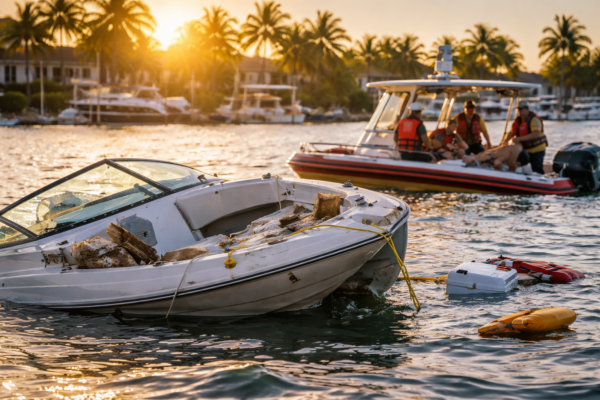
Florida spring boating season brings increased water traffic, which often leads to collisions and operator errors. The most frequent causes include reckless or negligent operation, boating under the influence of alcohol or drugs, failure to follow navigational rules, mechanical failures or poorly maintained vessels, and collisions with fixed objects, docks, or other boats. Sudden weather changes, such as storms and high winds, can also contribute to accidents by creating dangerous conditions on the water. In many cases, multiple factors combine to cause serious accidents, making a thorough investigation essential.
Injuries Sustained in Boating Accidents
Injuries from boating accidents can range from minor to catastrophic. Common injuries include head and spinal trauma, broken bones, lacerations from propellers, near-drowning experiences, and soft tissue injuries like whiplash. These injuries often require extensive medical treatment, rehabilitation, and long-term care. Victims may also experience emotional trauma, which can affect their ability to return to work or participate in recreational activities. Establishing the severity and extent of injuries is a critical component of pursuing compensation and demonstrating the impact on the victim’s life.
Determining Liability Under Florida Law
Liability in boating accidents in Florida is governed by comparative negligence rules, which allow fault to be shared among multiple parties. Potentially liable parties include:
- Boat Operators: Individuals controlling the vessel can be held responsible if they act recklessly, operate under the influence, or violate boating laws.
- Rental Companies: Companies that rent boats may be liable if they fail to provide adequate safety instructions, maintenance, or operational guidance.
- Manufacturers: When defective equipment, faulty parts, or design flaws contribute to an accident, manufacturers may be held accountable under product liability laws.
- Property Owners: In rare cases, dock or marina owners may be responsible if unsafe conditions directly lead to an accident.
Founding Attorney Attorney Attorney
Michael Serrano

Candace “Cea” Hartley

Molli Gard, ESQ.
Legal Considerations and Statutory Requirements
Florida law imposes strict timelines and procedures for pursuing boating accident claims. Generally, personal injury claims must be filed within four years from the date of the accident, although certain claims, such as wrongful death, may have shorter deadlines. Insurance coverage can be complex, as many operators carry limited boat insurance that may not cover all damages. Comparative fault may reduce compensation proportionally if the injured party shares some responsibility. Gathering evidence—including photographs, witness statements, and official reports—is essential for establishing liability and strengthening a claim.
Steps to Take After a Boating Accident
After an accident, immediate medical care is the first priority. Documenting the scene, preserving any damaged property, and reporting the incident to local authorities and insurance companies is essential. Seeking guidance from a skilled Florida personal injury attorney can help victims understand their rights, identify all potentially liable parties, and navigate the claims process efficiently. Proper legal representation can significantly influence the outcome of a claim, ensuring that victims receive compensation for medical expenses, lost income, and ongoing rehabilitation needs.
Mike Serrano’s law office was everything I needed after a very traumatic accident. He was always super up front and honest with me. I never got the feeling he was trying to sell me on something or to do something that I wasn’t comfortable with. He listened to my concerns and when it tough moments came that I needed to stand my ground. He backed me and made me feel 100% secure. He got me exactly what I needed in a settlement and I would never consider using anyone else. His office staff is also phenomenal.” - Mary Mike Serrano was a great attorney for my case!! He was very flexible with phone calls/ Zoom meetings. His staff are always friendly, whether it be on the phone or emails. They keep you updated during your entire case! They don’t leave you silent for months. if you call, they always call back with updates! Highly recommend!" - Kylie Collier Border I’ve never had to deal with a lawyer before but Mike has set the bar HIGH. He was always available to communicate my concerns and explain each step of the way. I know no other lawyer would have been able to achieve the same results because he jumped on an opportunity that was a little out of the ordinary and it paid off. He really fought for my case and over delivered. I really hope I never have another accident but if I do I’m running to Mike for help." - Sandy Carter
How Attorneys Help Victims Recover Compensation
A qualified attorney investigates the accident thoroughly, identifies all responsible parties, and calculates the full extent of damages. This includes medical costs, lost wages, pain and suffering, and long-term impacts on quality of life. Attorneys negotiate with insurers to secure fair settlements and, when necessary, pursue litigation to ensure full accountability. They also provide guidance on gathering evidence, obtaining expert opinions, and understanding Florida boating laws and regulations. Representation from an experienced firm like Serrano Law can be decisive in achieving favorable outcomes for injured parties.
Case Scenarios Illustrating Liability
In one typical case, a springtime collision in Tampa Bay involved two recreational vessels. One operator failed to maintain a proper lookout, causing severe injuries to passengers on the other boat. A Florida personal injury lawyer assisted in pursuing claims against both the operator and the rental company, resulting in compensation covering medical treatment and lost wages. Another case involved a mechanical failure on a rented vessel, where the manufacturer and rental company were both held liable. These examples highlight the need for professional legal guidance to navigate shared liability and maximize recovery.
Choosing The Right Personal Injury Attorney Personal Injury Settlement TimelineRelated Videos
Understanding Insurance and Claims
Boat insurance coverage can vary widely, and victims often find that policy limits are insufficient to cover the full scope of damages. A personal injury attorney helps evaluate insurance policies, identify gaps, and ensure claims are filed correctly. Attorneys can also pursue alternative sources of compensation, such as rental companies, manufacturers, or other responsible parties, to provide comprehensive coverage for the victim’s losses.
Navigating the Complexities of Florida Boating Law
Florida boating law includes specific rules on vessel operation, safety requirements, and liability. Understanding these rules is essential for evaluating claims and determining fault. For example, operators must adhere to speed limits, maintain safe distances from other vessels, and comply with state regulations regarding life jackets and safety equipment. Failure to follow these rules can establish clear negligence, while victims must also understand comparative fault principles that may affect their recovery.
Long-Term Implications and Preventive Measures
Beyond immediate injuries, boating accidents can have long-term consequences, including chronic pain, disability, and emotional distress. Preventive measures, such as safety training, adherence to navigational rules, and proper equipment maintenance, are essential for reducing risk. For boat owners and operators, understanding liability and insurance responsibilities can prevent legal disputes and ensure adequate protection in case of an accident.
Spring boating season in Florida provides enjoyment but comes with significant risks. Injuries can be severe, and liability often involves multiple parties, including operators, rental companies, and manufacturers. Prompt medical attention, thorough documentation, and consulting an experienced attorney are essential steps in protecting legal rights and pursuing fair compensation. Serrano Law provides expert guidance and representation for those injured in boating accidents, helping victims navigate Florida’s complex laws and secure the compensation they deserve.
To learn more about this subject click here: Choosing The Right Boat Accident Attorney