
In today’s digital world, social media has become an integral part of our lives. We share photos, updates, opinions, and much more with just a few clicks. However, if you’re involved in a personal injury case in Florida, it’s important to understand the risks associated with your online presence. At Serrano Law, we have seen how social media can complicate personal injury claims. Insurance companies, attorneys, and other parties involved in your case may search through your social media accounts for any information that could potentially harm your claim. It’s crucial to be aware of how your social media activity can be used against you, even if you don’t realize it.






The Role of Social Media in Personal Injury Claims 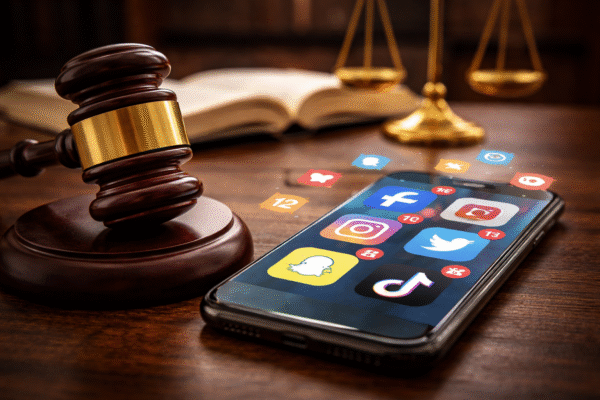
Social media provides a platform where we showcase our lives, but it also becomes an open book for others to scrutinize. When you’re pursuing a personal injury claim, the opposing party may use anything you post—whether it’s a photo, status update, or even a comment—to undermine your case. Even if your social media activity doesn’t directly contradict your injury claims, it could still be seen as damaging evidence.
How Insurance Companies Use Social Media
Insurance companies are always looking for ways to minimize their payout. They know that your social media accounts may hold valuable evidence to dispute the severity of your injuries. Insurance adjusters, in particular, are skilled at combing through social media profiles to find contradictions between what you post online and what you claim during your case. For instance, if you claim to have suffered severe back pain but then post a photo of yourself lifting heavy objects, it can create doubts about the validity of your injury.
Even innocuous posts, like those showing you attending a family gathering or participating in a hobby, can be used to argue that you’re not as injured as you say. Defense attorneys can also use your posts to claim that you’ve recovered more quickly than expected or that your injuries aren’t as serious as reported.
The Potential Dangers of Photos and Videos
One of the biggest concerns about social media is the photos and videos you share. These can often be taken out of context and used to hurt your case. For example, sharing a video of you walking or participating in a recreational activity may give the impression that you’re fully recovered, even if the reality is different. The opposing side can use these visuals to argue that your injuries are not as severe as you are claiming in your personal injury case.
Even photos of you having a good time with friends or family can be interpreted as evidence that you are leading a normal life, contradicting the physical and emotional distress you claim to be experiencing. While these posts may seem harmless to you, they can have serious consequences for your case.
Founding Attorney Attorney
Michael Serrano

Molli Gard, ESQ.
Text Posts and Status Updates Can Be Misconstrued
In addition to photos and videos, written posts—whether on Facebook, Twitter, or Instagram—can also be harmful. A comment like “feeling great today” or “finally starting to feel better” could be seen as evidence that you are not as injured as you claim to be. Even if you’re simply expressing a momentary feeling, it can be misinterpreted by the other party and used to challenge your claims.
A seemingly innocent update, such as mentioning that you’re enjoying a weekend getaway, could be twisted into an argument that you’re not suffering from the debilitating pain you have described. It’s essential to be mindful of what you write online, as it can all potentially be used as evidence.
How Social Media Can Affect Your Case
In Florida, like in many other states, personal injury claims require you to prove that you suffered harm due to another party’s negligence. The evidence you provide plays a key role in determining whether you will receive compensation. Unfortunately, social media can complicate this process. Here’s how:
Mike Serrano’s law office was everything I needed after a very traumatic accident. He was always super up front and honest with me. I never got the feeling he was trying to sell me on something or to do something that I wasn’t comfortable with. He listened to my concerns and when it tough moments came that I needed to stand my ground. He backed me and made me feel 100% secure. He got me exactly what I needed in a settlement and I would never consider using anyone else. His office staff is also phenomenal.” - Mary Mike Serrano was a great attorney for my case!! He was very flexible with phone calls/ Zoom meetings. His staff are always friendly, whether it be on the phone or emails. They keep you updated during your entire case! They don’t leave you silent for months. if you call, they always call back with updates! Highly recommend!" - Kylie Collier Border I’ve never had to deal with a lawyer before but Mike has set the bar HIGH. He was always available to communicate my concerns and explain each step of the way. I know no other lawyer would have been able to achieve the same results because he jumped on an opportunity that was a little out of the ordinary and it paid off. He really fought for my case and over delivered. I really hope I never have another accident but if I do I’m running to Mike for help." - Sandy Carter
Social Media Posts Can Be Used in Court
Once something is posted on social media, it becomes part of the public domain. Even if you delete a post, there’s no guarantee that it won’t be accessed by the opposing party. The posts that you think are long gone may still resurface during legal proceedings.
Opposing attorneys may subpoena your social media records, which means they can request access to all of your online activity, including private messages and photos. If they find anything that contradicts your claim, they can use it to argue that you’re not entitled to compensation. As a result, what you post on social media can significantly influence the outcome of your case.
Friends and Family Can Create Problems
It’s not just your own posts that could hurt your case—it’s the activity of your friends and family members as well. If someone tags you in a post or shares a photo of you engaged in an activity that contradicts your injury claims, it could have serious consequences for your case. While you may not have control over what others post about you, it’s a good idea to ask your friends and family to refrain from sharing photos, videos, or information about you online while your case is ongoing.
Insurance adjusters and opposing attorneys may also look at posts made by those close to you to find evidence that can hurt your claim. For example, if your family posts pictures of you at a party, or participating in an event, the other party could argue that your injuries are not as significant as you claim.
Choosing The Right Personal Injury Attorney Personal Injury Settlement TimelineRelated Videos
How to Protect Your Case From Social Media
It’s clear that social media can complicate your personal injury case. However, there are several steps you can take to protect yourself.
1. Limit Your Social Media Activity
The safest course of action is to limit your social media activity during the duration of your case. If possible, avoid posting anything related to your injury or daily life. If you don’t need to be active on social media for business or personal reasons, it’s best to take a break from posting altogether.
2. Make Your Accounts Private
While making your social media profiles private can limit who sees your posts, it’s important to remember that there is no guarantee that your posts will stay private. Even with privacy settings in place, a screenshot or shared post could still be used against you. Consider limiting what you share online to protect yourself.
Case Results
3. Refrain From Discussing Your Case
Avoid discussing your personal injury case online. Any mention of your case, even in a private message, could be used as evidence in court. Even casual comments about your legal situation should be kept to yourself. It’s important to follow the advice of your attorney regarding what can and cannot be shared.
4. Instruct Friends and Family
Ask your friends and family not to post about you or tag you in photos or videos during the course of your case. Remind them that even seemingly harmless posts could be used as evidence against you. While you can’t control everything they share, it’s important to communicate the potential risks involved.
5. Consult With Your Attorney
Your attorney will provide guidance on how to handle social media during your case. They may suggest additional precautions or strategies to keep your online activity from impacting your claim. Make sure to consult your lawyer before making any decisions regarding your social media accounts.
Social media has transformed the way we communicate, but it can also be a double-edged sword when you’re involved in a personal injury case in Florida. What you post online can be used to discredit your claims, even if the posts seem harmless. To protect your case, it’s essential to be cautious about your social media activity and follow the advice of your attorney.
At Serrano Law, we understand the challenges that personal injury victims face, and we are here to help. If you have been injured in an accident and need guidance on how to protect your claim, reach out to us today for a free consultation. Our experienced attorneys will work with you to ensure that your rights are protected every step of the way.
To learn more about this subject click here: Understanding Pain and Suffering Damages in Florida Personal Injury Claims