
Serrano Law emphasizes that Florida roads become more dangerous in April due to a surge in traffic following the Easter holiday. The combination of increased tourism, spring events, seasonal weather shifts, and distracted or impatient drivers contributes to a higher likelihood of collisions. Drivers who understand the causes, identify risky scenarios, and adopt preventive measures can significantly reduce their chances of being involved in a crash while commuting, running errands, or traveling across the state during spring.

Why Traffic Rises After Easter 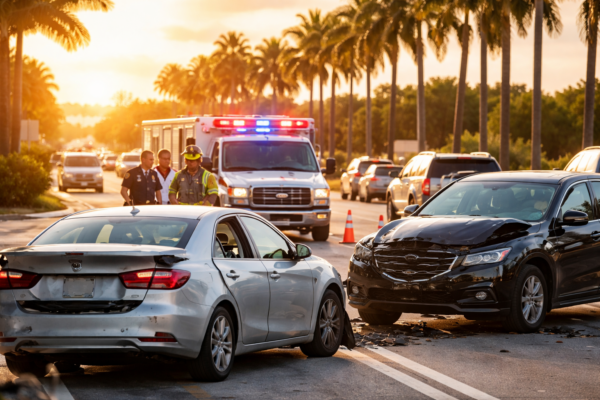
April in Florida consistently brings an uptick in vehicles on the road. Several factors combine to create this spike. Families who traveled for Easter celebrations or vacations return home, increasing congestion on highways and local roads. Tourism continues to rise in spring as visitors flock to beaches, theme parks, and other attractions throughout the state. Local events and festivals draw additional crowds into city centers and surrounding areas. This traffic increase is especially noticeable on major corridors like I-275 and I-75 in Tampa Bay, US-19 near Clearwater, and I-4 connecting Orlando and Tampa. Even routine commutes can become more hazardous when traffic volumes swell beyond normal levels. Drivers often encounter merging conflicts, slowed travel lanes, and unanticipated congestion, creating conditions ripe for collisions.
Key Risk Factors Contributing to April Crashes
Several specific conditions in April make driving in Florida riskier than other months. Distracted driving is a leading cause of collisions during this period. Drivers often use mobile devices, adjust GPS, or become preoccupied with planning routes through unfamiliar areas. Congestion and longer travel times can also fuel impatience, leading to aggressive driving behaviors such as tailgating, unsafe lane changes, and weaving through traffic. Seasonal weather adds to the challenge; Florida’s spring thunderstorms often reduce visibility and leave road surfaces slick, creating a higher probability of losing control or misjudging stopping distances. Additionally, drivers may attempt to compensate for delays caused by holiday traffic by increasing speed, which raises both the risk and severity of accidents. The combination of human error, environmental factors, and high traffic volumes creates a perfect storm for collisions.
Founding Attorney Attorney Attorney
Michael Serrano

Candace “Cea” Hartley

Molli Gard, ESQ.
High-Risk Locations in Florida
Crashes often cluster in areas with dense traffic and frequent lane changes. Tampa Bay highways, including I-275 and I-75 near major exits and interchanges, are particularly prone to accidents during the post-Easter surge. Urban streets around shopping centers, tourist attractions, and spring festival sites see increased vehicle and pedestrian activity, creating more opportunities for collisions. Coastal roads leading to popular destinations such as Daytona Beach, Sarasota, and Fort Myers also experience spikes in crashes, largely due to tourists unfamiliar with local driving conditions. Understanding these hotspots can help drivers adjust routes, departure times, or driving behavior to minimize risk.
Common Types of Crashes in April
April brings a noticeable increase in specific accident types. Rear-end collisions become more frequent due to sudden braking in congested traffic or poor weather conditions. Intersection accidents occur when drivers misjudge traffic signals or gaps in cross traffic. Multi-vehicle pile-ups are more likely on highways after sudden rain reduces traction and increases stopping distances. Additionally, pedestrian and bicycle accidents rise near tourist areas, parks, and beaches where vehicle, foot, and bicycle traffic converge. Awareness of these patterns can help drivers anticipate hazards and react appropriately to avoid incidents.
Strategies to Stay Safe on Florida Roads
Preventing accidents during this high-risk period requires planning and vigilance. Drivers should consult traffic updates before travel, allowing for extra travel time to reduce stress and avoid speeding. Distractions should be minimized by keeping phones, GPS, and other devices out of reach while driving. Speed should always be adjusted to suit current road and weather conditions, particularly during rainstorms when road traction decreases. Maintaining a safe following distance can prevent rear-end collisions, while being attentive to pedestrians and cyclists, especially in tourist-heavy areas, reduces the risk of serious injury. Vehicle maintenance is equally important; properly functioning brakes, tires, and lights can make the difference in emergency situations.
Mike Serrano’s law office was everything I needed after a very traumatic accident. He was always super up front and honest with me. I never got the feeling he was trying to sell me on something or to do something that I wasn’t comfortable with. He listened to my concerns and when it tough moments came that I needed to stand my ground. He backed me and made me feel 100% secure. He got me exactly what I needed in a settlement and I would never consider using anyone else. His office staff is also phenomenal.” - Mary Mike Serrano was a great attorney for my case!! He was very flexible with phone calls/ Zoom meetings. His staff are always friendly, whether it be on the phone or emails. They keep you updated during your entire case! They don’t leave you silent for months. if you call, they always call back with updates! Highly recommend!" - Kylie Collier Border I’ve never had to deal with a lawyer before but Mike has set the bar HIGH. He was always available to communicate my concerns and explain each step of the way. I know no other lawyer would have been able to achieve the same results because he jumped on an opportunity that was a little out of the ordinary and it paid off. He really fought for my case and over delivered. I really hope I never have another accident but if I do I’m running to Mike for help." - Sandy Carter
How Serrano Law Can Assist After a Crash
Even the most cautious drivers may find themselves involved in an accident due to the increased risk in April. Serrano Law provides expert guidance to ensure that victims’ rights are protected and compensation is pursued. Experienced Florida personal injury attorneys investigate the circumstances of the collision, determine liability, and assist with insurance claims to cover medical expenses, lost income, and property damage. If settlements are insufficient, legal representation can pursue claims in court, ensuring that injured parties receive full consideration for damages. For more guidance, visit our Florida car accident guide, Florida personal injury guide, and Florida pedestrian accident guide for detailed information on handling these incidents.
Illustrative Case Scenarios
Consider a family returning from Orlando on I-4 during a spring thunderstorm. The driver loses control, resulting in a multi-car accident. Legal guidance from Serrano Law ensures that all affected parties can recover for injuries and damages. Another example involves a tourist on US-19 near Clearwater who is rear-ended by a speeding commuter frustrated by heavy traffic. With proper legal support, the injured driver can receive compensation for vehicle repair, medical bills, and lost wages. These examples illustrate how both environmental and human factors contribute to April’s elevated crash risk and why professional guidance is critical.
Choosing The Right Personal Injury Attorney Personal Injury Settlement TimelineRelated Videos
Additional Spring Safety Recommendations
Drivers can take proactive steps to reduce the risk of being involved in an accident. Checking tire tread, brakes, and lights before traveling ensures vehicle reliability. Planning trips outside peak congestion hours can reduce stress and avoid high-risk situations. Practicing defensive driving, using turn signals, and adhering to posted speed limits further enhances safety. Drivers should remain alert, hydrated, and focused, particularly during longer trips where fatigue can compound other risks.
Understanding Liability and Compensation
In April crashes, determining liability can be complex due to multiple vehicles, weather conditions, and driver behavior. Florida follows comparative negligence rules, which can affect the amount of compensation a victim receives based on their share of fault. An experienced attorney from Serrano Law can assess the circumstances, collect evidence, and negotiate with insurers or represent clients in court. This ensures that victims are not left shouldering financial burdens caused by others’ negligence, including medical bills, lost income, or vehicle repair costs.
Florida’s roads in April present unique challenges due to increased post-Easter traffic, weather fluctuations, and human factors such as distraction and aggressive driving. Understanding high-risk areas, common accident types, and preventive strategies can help reduce the likelihood of collisions. Despite precautions, accidents may still occur, making legal expertise from Serrano Law essential to protect rights and secure fair compensation. Drivers should remain vigilant, plan ahead, and seek professional guidance when needed to navigate this high-risk period safely.
Disclaimer: This information is provided for general awareness and is not legal advice. Consult a licensed attorney about your specific situation.
To learn more about this subject click here: What Happens If the Other Driver Lies About the Accident?