
April in Florida is a month of unpredictable weather, with sudden rainstorms creating hazardous driving conditions. These storms contribute to a significant increase in car accidents throughout the state. Serrano Law, serving Hillsborough County and surrounding areas, has seen firsthand how these sudden changes in weather affect liability in car accidents. Drivers face slick roads, reduced visibility, and hydroplaning risks that can turn a routine commute into a dangerous situation. Understanding how Florida law addresses fault, comparative negligence, and insurance claims is essential for anyone involved in a crash during these seasonal rain events. This comprehensive guide will explore the causes, legal implications, and preventive measures that can help protect drivers and passengers during April storms.






Florida’s April Weather and Driving Hazards 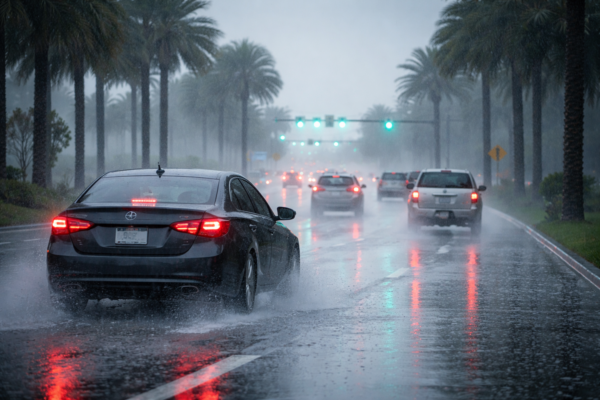
Florida’s climate in April is notorious for rapid shifts between clear skies and heavy rainfall. Rain can accumulate quickly on roadways, particularly on bridges, overpasses, and older pavement surfaces. These conditions can create hydroplaning hazards, reduce traction, and increase stopping distances. Additionally, oil and debris on the road mix with rainwater, forming slippery patches that are invisible to drivers until it is too late. Reduced visibility due to heavy rain and mist can also impair a driver’s ability to react to sudden stops or lane changes. Even experienced drivers can underestimate the severity of these conditions, making accidents more likely. Data from the Florida Department of Highway Safety and Motor Vehicles confirms that crashes spike during the spring months, particularly when rain falls suddenly during peak commuting hours.
How Florida Law Determines Liability
Florida operates under a comparative negligence framework. This means that multiple parties can share fault in a car accident. When rainstorms are a factor, liability depends on whether a driver acted reasonably given the conditions. For instance, exceeding the speed limit during a downpour, failing to use headlights, or following too closely can all indicate negligence. Florida law allows an injured party to recover damages proportionally to the other party’s degree of fault. For example, if a driver is found 30% responsible for an accident, any award will be reduced by that percentage.
Hydroplaning and Legal Implications
Hydroplaning occurs when a vehicle’s tires lose contact with the road due to a layer of water, causing the driver to lose control. Accidents caused by hydroplaning often involve multiple factors, such as:
- The driver’s speed relative to wet conditions
- Abrupt lane changes or sudden braking by other drivers
- Poor road maintenance, including clogged drains or potholes
Liability in hydroplaning accidents can be complex. While drivers are expected to adjust their behavior for wet roads, municipalities or private road owners may also be partially responsible if inadequate drainage or road conditions contributed to the crash. Determining fault in these situations often requires expert analysis of weather reports, tire tread, and roadway conditions at the time of the accident.
Founding Attorney Attorney Attorney
Michael Serrano

Candace “Cea” Hartley

Molli Gard, ESQ.
Insurance and Claims Considerations
Insurance companies closely scrutinize accidents during sudden rainstorms. Florida’s Personal Injury Protection (PIP) coverage may cover medical expenses regardless of fault, but property damage claims require clear determination of liability. To protect your interests:
- Document weather and road conditions with photos and video, if possible
- Collect witness statements and contact information
- Report the accident promptly to law enforcement and your insurance provider
- Keep detailed records of medical treatments, car repairs, and any lost wages
Having this documentation can significantly strengthen a claim, especially when liability is disputed.
Steps to Take Immediately After a Rainstorm Accident
After an accident during a Florida rainstorm, the following steps can protect your legal rights and ensure safety:
- Move vehicles to a safe location, if possible, to avoid further collisions
- Call 911 to report the accident and request medical assistance if needed
- Take photos of vehicle damage, skid marks, and the surrounding area
- Obtain witness statements from those who observed the crash
- Seek medical attention even for minor injuries, as symptoms may appear later
- Contact an experienced Florida car accident lawyer, such as those at Serrano Law, to discuss potential liability and compensation
Mike Serrano’s law office was everything I needed after a very traumatic accident. He was always super up front and honest with me. I never got the feeling he was trying to sell me on something or to do something that I wasn’t comfortable with. He listened to my concerns and when it tough moments came that I needed to stand my ground. He backed me and made me feel 100% secure. He got me exactly what I needed in a settlement and I would never consider using anyone else. His office staff is also phenomenal.” - Mary Mike Serrano was a great attorney for my case!! He was very flexible with phone calls/ Zoom meetings. His staff are always friendly, whether it be on the phone or emails. They keep you updated during your entire case! They don’t leave you silent for months. if you call, they always call back with updates! Highly recommend!" - Kylie Collier Border I’ve never had to deal with a lawyer before but Mike has set the bar HIGH. He was always available to communicate my concerns and explain each step of the way. I know no other lawyer would have been able to achieve the same results because he jumped on an opportunity that was a little out of the ordinary and it paid off. He really fought for my case and over delivered. I really hope I never have another accident but if I do I’m running to Mike for help." - Sandy Carter
Preventive Measures for Rainy Driving Conditions
Preventing accidents during April rainstorms requires vigilance and preparation. Drivers should:
- Reduce speed before heavy rainfall begins
- Increase following distances beyond the usual safe margin
- Ensure tires are in good condition with adequate tread depth
- Avoid sudden braking, sharp turns, and aggressive lane changes
- Use headlights consistently to improve visibility for yourself and others
These precautions not only reduce the likelihood of collisions but can also strengthen your position if an accident occurs and liability is questioned.
How an Attorney Can Help
Serrano Law offers guidance for navigating the complexities of car accidents caused by sudden weather changes. An experienced lawyer can:
- Investigate the crash thoroughly, including roadway conditions and weather reports
- Determine comparative fault and liability for all parties involved
- Negotiate with insurance companies to maximize compensation
- Represent clients in court when necessary to protect their rights
An attorney’s support can be invaluable when dealing with hydroplaning accidents, multiple drivers, or unclear fault in adverse weather conditions.
April rainstorms in Florida create serious hazards for drivers and can complicate liability in car accidents. Understanding the risks, documenting evidence, and taking immediate legal steps are essential to protect your rights. Serrano Law provides dedicated representation to individuals navigating the aftermath of weather-related accidents, ensuring that victims receive the compensation they deserve while handling all aspects of insurance negotiations and potential litigation. Staying informed and cautious during Florida’s spring rains can prevent accidents and help you respond effectively if a collision occurs.
This information is for educational purposes and does not constitute legal advice. Consult a licensed attorney for advice regarding your specific situation.
To learn more about this subject click here: What Happens If the Other Driver Lies About the Accident?