
Back-to-school season can change Tampa traffic within a few days. Roads that felt predictable during summer may become crowded with school buses, parent drop-off lines, student drivers, pedestrians, bicyclists, scooter riders, and crossing guards during the morning and afternoon rush.
When you approach a school, expect sudden stops, children entering crosswalks, vehicles turning into campus entrances, doors opening beside traffic, and reduced visibility around parked cars. Slow down before you reach the school zone, put handheld devices away, leave more following distance, and assume that a child may enter the roadway before you have time to react.
Serrano Law helps people injured in Tampa, Hillsborough County, and nearby Florida communities understand how insurance coverage, fault, medical records, and crash evidence may affect a claim.
School traffic can begin several blocks before the marked school zone. Reduce your speed before congestion becomes visible.





Why Back-to-School Traffic Raises Accident Risks 
The start of the school year creates several traffic patterns at the same time. Parents may be learning a new drop-off route. School buses make frequent stops. Teen drivers may be traveling alone for the first time. Children may walk, ride bicycles, use scooters, or cross neighborhood streets outside marked intersections.
Congestion can extend beyond school property. A line of vehicles waiting to enter a campus may back up into a main road, block a driveway, or cause abrupt lane changes. A rushed driver may follow too closely, pass stopped traffic, or turn without checking for a pedestrian or bicyclist.
You can lower the risk by leaving earlier, following the school traffic plan, and watching the full roadway instead of focusing only on the vehicle ahead.
School Buses and Sudden Stops
Florida Statutes section 316.172 generally requires you to stop when you approach a school bus displaying a stop signal. You must remain stopped until the signal is withdrawn. If you are traveling in the opposite direction, you do not have to stop only when the roadway is divided by an unpaved space of at least five feet, a raised median, or a physical barrier. A painted center turn lane does not meet that exception.
Begin slowing when a school bus activates its warning lights. Following too closely can lead to a rear-end collision when the bus stops. Passing a stopped school bus can place children at risk because students may cross in front of the bus or enter the road from a location that is hard to see.
- Leave extra space behind school buses.
- Watch both sides of the road near a stopped bus.
- Do not proceed until the stop signal is withdrawn and the area is clear.
- Never rely on another driver to tell you that no child is crossing.
You can read Florida Statutes section 316.172.
Founding Attorney Attorney Attorney
Michael Serrano

Candace “Cea” Hartley
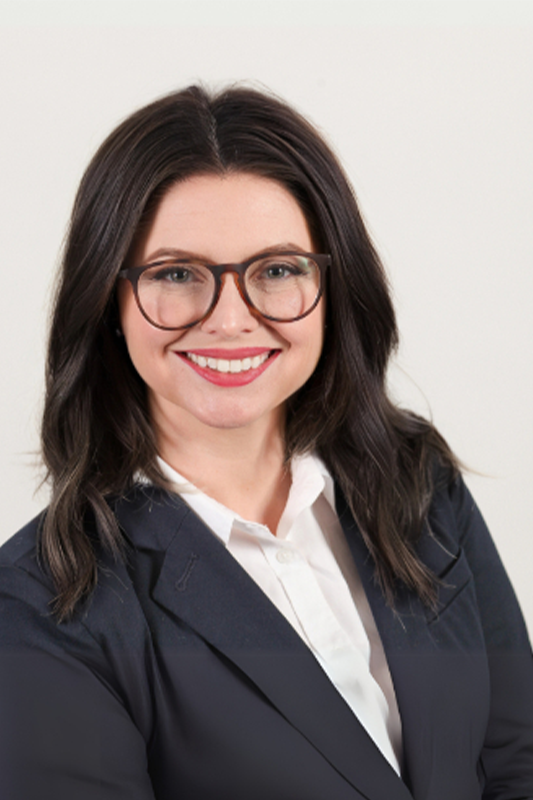
Molli Gard, ESQ.
School Zones, Speed Changes, and Handheld Devices
School-zone speed limits apply during the times shown on posted signs or when flashing devices indicate that the reduced limit is active. Florida Statutes section 316.1895 sets rules for school-zone traffic controls and provides that school-zone speed limits may apply during the periods before, during, and after students arrive or leave. Read the posted sign instead of assuming that every Tampa school zone follows the same schedule.
Florida law also prohibits using a wireless communications device in a handheld manner while operating a motor vehicle in a designated school crossing, school zone, or qualifying work zone. The rule covers devices such as cell phones, tablets, and laptops when they are used in a handheld manner.
A brief glance at a message can cause you to miss a crossing guard, a child stepping between vehicles, or a car stopping in a drop-off lane. Enter navigation instructions before driving. Keep your phone out of reach or use a lawful hands-free setting.
You can review Florida Statutes section 316.306.
Pedestrians, Crosswalks, and Children Near the Road
Children can be difficult to see because of their height, especially near parked sport utility vehicles, buses, landscaping, and delivery vehicles. They may misjudge vehicle speed or assume that you have seen them.
Florida Statutes section 316.130 requires drivers to stop or yield for pedestrians in crosswalks in several circumstances. The law also requires drivers to exercise due care to avoid a collision with a pedestrian and to use proper precaution when observing a child. You may not pass another vehicle that has stopped at a crosswalk to allow a pedestrian to cross.
Scan sidewalks, school entrances, median areas, and spaces between parked cars. When a crossing guard enters the road, stop far enough away to preserve a clear view of the crossing. Before turning, check the crosswalk again even when you have a green signal.
People injured while walking can review the Florida pedestrian accident guide.
Mike Serrano’s law office was everything I needed after a very traumatic accident. He was always super up front and honest with me. I never got the feeling he was trying to sell me on something or to do something that I wasn’t comfortable with. He listened to my concerns and when it tough moments came that I needed to stand my ground. He backed me and made me feel 100% secure. He got me exactly what I needed in a settlement and I would never consider using anyone else. His office staff is also phenomenal.” - Mary Mike Serrano was a great attorney for my case!! He was very flexible with phone calls/ Zoom meetings. His staff are always friendly, whether it be on the phone or emails. They keep you updated during your entire case! They don’t leave you silent for months. if you call, they always call back with updates! Highly recommend!" - Kylie Collier Border I’ve never had to deal with a lawyer before but Mike has set the bar HIGH. He was always available to communicate my concerns and explain each step of the way. I know no other lawyer would have been able to achieve the same results because he jumped on an opportunity that was a little out of the ordinary and it paid off. He really fought for my case and over delivered. I really hope I never have another accident but if I do I’m running to Mike for help." - Sandy Carter
Bicycles, Scooters, and Student Riders
Tampa-area students may travel by bicycle, scooter, or e-bike. A driver making a right turn may focus on vehicle traffic and fail to check the sidewalk, bicycle lane, or shared-use path. A driver turning left may misjudge a rider’s speed.
Before turning, check your mirrors and blind spots, then look again for a rider approaching from either direction. Give riders enough space and do not turn across their path. Watch for young riders who may move around a parked car or leave the sidewalk without warning.
The Florida bicycle accident guide explains issues that may arise after a cyclist is struck.
Drop-Off and Pick-Up Lane Collisions
School drop-off areas combine moving vehicles, stopped vehicles, open doors, pedestrians, and limited space. Common crashes include rear-end collisions, sideswipes, backing accidents, and impacts involving a child entering or leaving a vehicle.
You can reduce risk by following the school’s designated traffic pattern, keeping children inside until you reach the approved unloading point, and avoiding double parking. Large vehicles require added care because rear and side blind spots can hide a child. Arriving a few minutes earlier can reduce pressure to make an unsafe turn or unload outside the designated area.
Before moving, check every mirror and look over your shoulder. Do not rely only on a backup camera when children may be nearby.
Teen Drivers and New Routes
The school year puts more inexperienced drivers on Tampa roads during peak traffic. A teen may be managing an unfamiliar route, passengers, early start times, and congestion. Give uncertain drivers time to respond. Avoid aggressive passing, tailgating, and unnecessary horn use.
Parents can help by practicing the route before the first day, identifying difficult turns, reviewing parking rules, and setting clear expectations about phones and passengers. A short practice drive can help a new driver recognize school-zone signs, bus stops, and areas where pedestrians are difficult to see.
Rain, Glare, and Reduced Visibility
Back-to-school traffic in Tampa often overlaps with seasonal rain, wet pavement, and strong morning or afternoon glare. A sudden storm can reduce visibility near a crosswalk and increase stopping distance. Sun glare can hide brake lights, traffic signals, crossing guards, and pedestrians.
Reduce your speed before visibility becomes poor, use headlights when conditions require them, and leave added room behind buses and parent vehicles. Weather may reduce the time available to react, but every driver still has a duty to use reasonable care under the conditions.
What to Do After a Back-to-School Traffic Accident
A collision near a school can be confusing, especially when a child is involved or traffic is blocking the area. Focus first on safety and medical needs.
- Call 911 when anyone is injured, traffic is obstructed, or emergency help is needed.
- Move to a safe location when it is possible and lawful.
- Exchange contact and insurance information.
- Photograph vehicle positions, damage, signs, crosswalks, road conditions, and visible injuries.
- Get contact information from witnesses, crossing guards, or school staff.
- Note whether a bus, residence, business, traffic camera, or school camera may have recorded the event.
- Seek prompt medical care and keep medical bills, wage records, and repair documents.
- Avoid posting detailed statements or injury updates on social media.
- Do not sign a release or accept a settlement until you understand what rights the document may affect.
You can review Serrano Law’s Florida car accident guide and the guide to starting a personal injury claim.
How Florida Insurance and Fault Rules May Apply
Florida personal injury protection coverage may pay a portion of covered medical expenses after a motor vehicle accident, regardless of who caused the crash. Florida Statutes section 627.736 generally requires initial medical services and care within 14 days after the accident for PIP medical benefits to apply.
A serious injury claim may also involve bodily injury liability coverage, uninsured or underinsured motorist coverage, health insurance, and claims against another responsible party. Recoverable damages depend on the facts and may include medical expenses, lost income, reduced earning ability, pain and suffering, and property damage.
Florida uses a modified comparative fault rule for negligence claims. Your damages may be reduced according to your share of fault. Under Florida Statutes section 768.81, a party found more than 50 percent at fault for that party’s own harm generally may not recover damages in a negligence action covered by the statute.
Most Florida negligence actions must be filed within two years under Florida Statutes section 95.11. Other deadlines, notice requirements, and exceptions may apply, especially when a government agency, public school district, minor, or wrongful death claim is involved. Waiting can also cause video, witness memories, and physical evidence to disappear.
How a Tampa Car Accident Attorney Can Help
A school-zone accident may involve traffic-camera footage, school or bus video, witness statements, vehicle data, phone records, crash reports, and photographs. A Tampa car accident attorney can work to preserve evidence, identify available insurance, document injuries and financial losses, and respond to fault allegations.
Legal guidance may be useful when a child, pedestrian, bicyclist, school bus, government vehicle, or commercial vehicle is involved. Claims connected to a public entity may follow notice rules and procedures that differ from a routine two-driver collision.
Frequently Asked Questions About Tampa School Traffic Accidents
Do Drivers in Both Directions Have to Stop for a School Bus in Florida?
Drivers in both directions generally must stop when a school bus displays a stop signal. The opposite-direction exception applies when an unpaved space of at least five feet, a raised median, or a physical barrier divides the roadway. A painted center line or center turn lane does not create the exception.
Can You Hold a Phone While Driving Through a Florida School Zone?
Florida law prohibits operating a motor vehicle while using a wireless communications device in a handheld manner in a designated school crossing or school zone. Limited statutory exceptions apply, including some emergency and hands-free uses.
How Soon Should You Get Medical Care After a Tampa Car Accident?
Seek medical care as soon as you need it. For Florida PIP medical benefits, initial services and care generally must occur within 14 days after the motor vehicle accident. Prompt treatment may also document the connection between the collision and your injuries.
Speak With a Tampa Car Accident Attorney
A back-to-school collision can disrupt medical care, transportation, work, and a child’s return to class. Serrano Law offers free consultations to injured people and families in Tampa, Hillsborough County, and nearby Florida communities. You will work with a legal team that can review the available facts, explain the insurance and legal issues that may apply, and help you make an informed decision.
Call Serrano Law at (813) 553-5648 or visit the Serrano Law contact page to request a consultation.
This article is for general informational purposes only. It is not legal advice and does not create a lawyer-client relationship. Consult an attorney about your specific situation.}