
In Tampa, Florida, grocery stores and retail locations are places where people shop for their needs. Unfortunately, accidents can happen while shopping, and some of these accidents can lead to serious injuries. If you have fallen at a grocery store or retail location, you may be wondering if the store is liable for your injuries. The answer to this question depends on many factors, such as the store’s knowledge of the hazard and its efforts to maintain a safe environment for customers.


We will also examine the specific circumstances under which a store may be held responsible for a fall and guide you on what to do if you are injured at a store.
Premises Liability in Florida 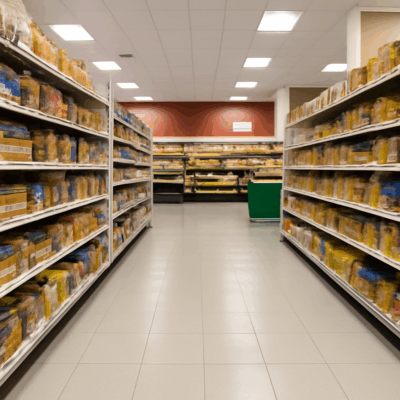
Premises liability laws hold property owners accountable for ensuring their premises are safe for visitors. In the context of grocery stores and retail locations, the property owner (or the person in charge) is responsible for keeping the store clean, safe, and free from hazards that could cause injury. Under Florida law, property owners are required to maintain reasonably safe conditions for the public, especially in spaces where people are likely to visit for business purposes.
If a store’s negligence leads to an unsafe condition that causes a fall, the store may be held liable for any injuries that occur. However, it is essential to understand the specific legal requirements that define a store’s responsibility. Let’s take a closer look at how Florida’s premises liability law applies to store accidents.
Store’s Knowledge of the Hazardous Condition
One of the key elements in determining liability in a premises liability case is whether the store knew or should have known about the hazardous condition that caused the fall. For instance, if a customer slips on a wet floor, the store may be liable if it failed to notice the hazard and take appropriate action to address it.
The store’s knowledge of the hazardous condition can be proven through evidence that the store or its employees were aware of the risk but did not act on it in a reasonable amount of time. For example, if a spill occurred hours before your fall and employees failed to clean it up, the store may be held accountable for not addressing the danger.
Founding Attorney Attorney Attorney
Michael Serrano

Candace “Cea” Hartley

Molli Gard, ESQ.
In some cases, even if the store wasn’t immediately aware of the hazard, it may still be responsible if it should have known about it. For example, if a store fails to regularly inspect its aisles and maintain a safe environment, it could be argued that it was negligent in not noticing potential hazards, such as spills or obstacles.
Condition of the Store at the Time of the Fall
Another factor in determining store liability is the condition of the store at the time of the accident. Florida law requires that businesses maintain their premises in a reasonably safe condition. This includes ensuring that floors are dry and free of debris, aisles are clear of obstructions, and there are no dangerous conditions like broken tiles or uneven flooring.
If the condition of the store directly contributed to your fall, the store may be held responsible for the accident. For example, if you tripped over a pile of items left in an aisle, or if you slipped due to a wet spot that had not been properly addressed, the store could be liable for the injury. However, the store’s liability depends on whether they had the opportunity to remedy the hazardous condition before the fall occurred.
Mike Serrano’s law office was everything I needed after a very traumatic accident. He was always super up front and honest with me. I never got the feeling he was trying to sell me on something or to do something that I wasn’t comfortable with. He listened to my concerns and when it tough moments came that I needed to stand my ground. He backed me and made me feel 100% secure. He got me exactly what I needed in a settlement and I would never consider using anyone else. His office staff is also phenomenal.” - Mary Mike Serrano was a great attorney for my case!! He was very flexible with phone calls/ Zoom meetings. His staff are always friendly, whether it be on the phone or emails. They keep you updated during your entire case! They don’t leave you silent for months. if you call, they always call back with updates! Highly recommend!" - Kylie Collier Border I’ve never had to deal with a lawyer before but Mike has set the bar HIGH. He was always available to communicate my concerns and explain each step of the way. I know no other lawyer would have been able to achieve the same results because he jumped on an opportunity that was a little out of the ordinary and it paid off. He really fought for my case and over delivered. I really hope I never have another accident but if I do I’m running to Mike for help." - Sandy Carter
Your Own Role in the Accident
Florida follows a comparative negligence rule, which means that your own actions may affect the outcome of your case. If you were partially responsible for the accident (e.g., you were distracted or not paying attention while walking), your compensation may be reduced by the percentage of fault attributed to you. This is an essential consideration in personal injury claims, including those related to premises liability.
For example, if you were walking with your head down or texting while walking through an aisle and you did not notice a hazard, you might be found partially at fault for your injuries. This could impact the amount of compensation you can recover from the store. In such cases, it’s important to work with an attorney to determine the extent of your responsibility and how it may influence your claim.
The Role of Store Safety Protocols and Procedures
In addition to maintaining the physical condition of the premises, stores are also responsible for following safety protocols to prevent accidents. This includes implementing procedures for addressing spills, hazards, or other dangerous conditions promptly. For example, stores should have protocols for cleaning up spills immediately or marking the area with a wet floor sign to warn customers of the danger.
If the store fails to follow its safety procedures and an accident occurs as a result, the store could be held liable for the injuries. For instance, if a grocery store mops an aisle but fails to put up a warning sign, they may be found negligent if someone slips in the area. Stores are expected to act quickly to prevent accidents and take reasonable measures to ensure customer safety.
Choosing The Right Personal Injury Attorney Personal Injury Settlement TimelineRelated Videos
Steps to Take After a Fall in a Store
If you have fallen in a grocery store or retail location, it is crucial to take the following steps to protect your health and preserve your rights:
Report the Incident to the Store
Immediately notify store management or an employee about the accident. Be sure to ask them to document the incident and complete an accident report. This can serve as crucial evidence if you decide to pursue a claim against the store.
Seek Medical Attention
Even if your injuries seem minor, it is important to seek medical attention after a fall. Some injuries, like concussions or soft tissue injuries, may not be immediately apparent. By seeking medical care, you create a record of your injuries, which is essential for any insurance claims or legal actions.
Gather Evidence
If you are able, take photos of the area where you fell, including any hazards such as wet floors or obstacles. If there were witnesses to the accident, ask for their contact information. This evidence will help strengthen your case and support your claim that the store was responsible for the accident.
Case Results
Consult a Personal Injury Attorney
Personal injury law can be complicated, especially when it comes to premises liability cases. An experienced attorney can help you navigate the legal process, determine the store’s liability, and guide you in pursuing a claim for compensation. At Serrano Law, we offer free consultations to help you understand your legal options after a fall in a store.
Can You File a Claim for Compensation?
If you are injured due to a fall in a store, you may be entitled to compensation for your injuries. The store may be liable for your medical expenses, lost wages, pain and suffering, and other damages if they were negligent in maintaining safe conditions. Many stores carry liability insurance to cover accidents that occur on their premises, and it may be possible to file a claim through the store’s insurance.
If the store’s insurance refuses to pay or offers an inadequate settlement, you may need to file a lawsuit to pursue the compensation you deserve. This is where having an experienced personal injury lawyer on your side is essential to ensure your rights are protected.
Falls in grocery stores or retail locations can lead to serious injuries, but determining if the store is liable for your injuries depends on various factors, including the store’s knowledge of the hazard, the condition of the store at the time of the fall, and your own role in the accident. If you have been injured in a store in Tampa, you should report the incident, seek medical care, gather evidence, and consult with a personal injury lawyer.
At Serrano Law, we are here to help you with your premises liability claim. We offer free consultations and will work with you to ensure that you get the compensation you deserve. Contact us today to schedule a consultation.