
During Florida’s rainy season, the risk of slip and fall accidents rises dramatically, and navigating these incidents requires careful attention to legal considerations. Serrano Law has extensive experience handling personal injury claims related to premises liability, and understanding the seasonal hazards can be crucial in strengthening a case. Wet sidewalks, pooling water near entrances, poorly drained parking lots, and the accumulation of algae on surfaces are just some of the factors that increase the likelihood of accidents. These conditions often create a direct connection between the hazard and the injury, which can be pivotal in establishing liability. Property owners are expected under Florida law to maintain safe conditions, and failure to do so can be a critical factor in pursuing compensation for medical bills, lost income, and other damages.





The Nature of Slip and Fall Accidents 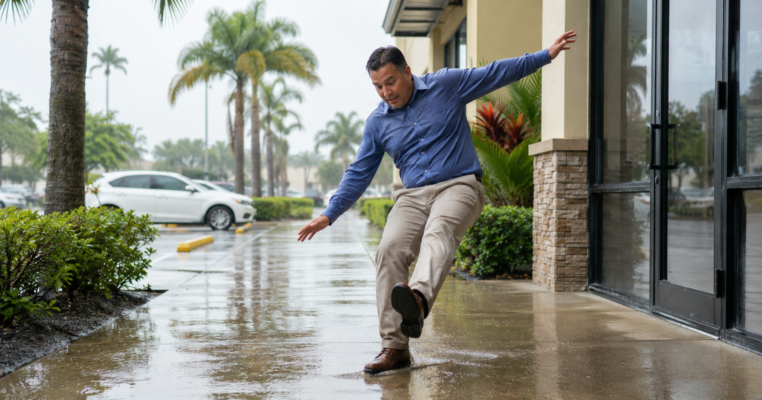
Slip and fall accidents occur when a person slips, trips, or falls due to unsafe or hazardous conditions on another party’s property. In Florida, these cases are particularly common during periods of heavy rain because of the state’s unique climate. The injuries sustained in these accidents range from minor bruises to severe fractures, head injuries, spinal damage, and in some cases, long-term mobility issues. Public and private properties alike, including supermarkets, residential complexes, parking garages, and public sidewalks, can be sites for these accidents. Each environment introduces its own risks. For example, a poorly maintained entrance to a shopping center can accumulate rainwater quickly, creating slick surfaces. Similarly, the steps of an apartment building may become hazardous when algae or moss accumulates due to persistent moisture. The combination of Florida’s frequent rainstorms and high foot traffic makes property maintenance not only a legal requirement but also a practical necessity to prevent injuries.
Florida Premises Liability Standards
Florida law imposes a duty on property owners to maintain their premises in a reasonably safe condition for invitees and, in some cases, licensees. This duty becomes especially significant during the rainy season. Premises liability claims often hinge on demonstrating that the property owner knew, or should have known, about the dangerous condition and failed to take appropriate steps to remedy it. In cases where wet surfaces or other hazards are present, liability can arise if it can be shown that the owner failed to warn visitors, maintain drainage systems, clean slippery substances like algae, or otherwise exercise reasonable care. Florida follows a comparative negligence standard, which means that even if an injured party is partially at fault, they may still recover damages, although the total compensation may be reduced by their percentage of fault. Establishing negligence and foreseeability is particularly relevant during Florida’s rainy season, as property owners are expected to anticipate the increased likelihood of slippery conditions.
Founding Attorney Attorney Attorney
Michael Serrano

Candace “Cea” Hartley

Molli Gard, ESQ.
How Rainy Weather Strengthens Claims
Rainy weather can make slip and fall claims stronger because it emphasizes the foreseeability of the hazard. While natural rainfall itself is not a cause for liability, the resulting conditions on the property can be. Property owners are expected to take reasonable precautions to mitigate the risk, including installing non-slip mats, cleaning entryways, placing warning signs, and ensuring proper drainage. If a visitor slips on a wet floor that could have been reasonably addressed, the seasonal context may support the claim that the property owner failed in their duty. For instance, if a Tampa restaurant fails to place wet floor signs after rainwater enters the lobby, a customer slipping and suffering injuries could be used to demonstrate negligence. Similarly, accumulation of algae on steps or outdoor walkways during extended rainy periods, combined with inadequate maintenance, can serve as evidence that the property owner should have foreseen the risk. These seasonal elements do not guarantee success, but they can significantly reinforce the argument that reasonable care was not exercised.
Documenting Evidence for Slip and Fall Claims
Proper documentation is essential to building a strong claim. Evidence should be collected as soon as possible to accurately reflect the conditions that contributed to the accident. Key steps include taking detailed photographs of wet or slippery surfaces, noting the presence of puddles or other hazards, collecting witness statements, and retaining weather reports to verify rainfall. Additionally, maintaining copies of medical records and invoices related to treatment after the fall can substantiate the extent of the injury. If maintenance logs or inspection records can be obtained, they may further demonstrate that the property owner neglected their responsibility. In Florida, combining this evidence with expert testimony or professional assessments of the premises can provide compelling support for a claim, especially during the rainy season when hazards are predictable and recurrent.
Mike Serrano’s law office was everything I needed after a very traumatic accident. He was always super up front and honest with me. I never got the feeling he was trying to sell me on something or to do something that I wasn’t comfortable with. He listened to my concerns and when it tough moments came that I needed to stand my ground. He backed me and made me feel 100% secure. He got me exactly what I needed in a settlement and I would never consider using anyone else. His office staff is also phenomenal.” - Mary Mike Serrano was a great attorney for my case!! He was very flexible with phone calls/ Zoom meetings. His staff are always friendly, whether it be on the phone or emails. They keep you updated during your entire case! They don’t leave you silent for months. if you call, they always call back with updates! Highly recommend!" - Kylie Collier Border I’ve never had to deal with a lawyer before but Mike has set the bar HIGH. He was always available to communicate my concerns and explain each step of the way. I know no other lawyer would have been able to achieve the same results because he jumped on an opportunity that was a little out of the ordinary and it paid off. He really fought for my case and over delivered. I really hope I never have another accident but if I do I’m running to Mike for help." - Sandy Carter
Common Injuries From Rain-Related Slip and Fall Accidents
Injuries resulting from slip and fall accidents during Florida’s rainy season can be extensive. Common injuries include sprains, strains, fractures, head trauma, and back injuries. Severe falls can lead to concussions or spinal injuries, sometimes resulting in long-term disability. The extent of injury affects not only medical expenses but also lost wages, ongoing rehabilitation costs, and quality of life. Establishing a clear link between the environmental conditions caused by rain and the injury can be critical in determining compensation. An injury sustained on a wet and unmaintained surface, coupled with documented evidence, may allow a personal injury lawyer to demonstrate that the property owner’s negligence was a proximate cause of the harm.
Insurance and Legal Considerations
Insurance companies may attempt to minimize payouts for slip and fall claims. Presenting a well-documented case that highlights the foreseeability of hazards during the rainy season can strengthen negotiations and litigation. It is crucial to report the incident promptly, maintain a detailed record of the accident, and consult with an experienced Florida personal injury attorney who can guide you through interactions with insurers and ensure your rights are protected. An attorney can also assess whether comparative negligence applies, calculate damages, and pursue full recovery for medical bills, lost wages, and pain and suffering.
Choosing The Right Personal Injury Attorney Personal Injury Settlement TimelineRelated Videos
Preventing Slip and Fall Accidents
Prevention is the most effective approach for both property owners and the general public. Property owners can minimize liability by installing drainage systems, using non-slip surfaces, regularly inspecting premises, and placing visible warning signs when conditions are hazardous. Visitors can protect themselves by wearing appropriate footwear and being mindful of wet or slippery surfaces. Public education about rainy season hazards can also reduce the incidence of falls and related injuries.
Case Scenarios Highlighting Rain-Related Liability
Consider these illustrative scenarios:
- A customer slips on rainwater that entered a store lobby in Tampa, where staff failed to place wet floor signs, resulting in a broken wrist.
- An apartment visitor in Lutz trips on algae-covered steps following a week of consistent rain, leading to a head injury.
- A restaurant neglects to clean rainwater pooling at the entrance, causing a fall and spinal strain to a patron.
In each scenario, the rainy season establishes foreseeable risk, which can be used to demonstrate negligence and strengthen the claim.
Why Working With an Experienced Attorney Matters
An experienced Florida personal injury lawyer can help collect evidence, negotiate with insurance companies, and guide clients through the legal process. A skilled attorney can identify how rainy season conditions contributed to the accident, ensure deadlines under Florida law are met, and advocate for fair compensation. Attorneys also provide guidance on comparative negligence and other factors that may impact recovery.
Slip and fall accidents in Florida are more common during the rainy season due to increased hazards from water, algae, and poor drainage. Proper documentation, understanding of premises liability, and expert legal guidance are critical in strengthening claims. Recognizing the seasonal risk factors, securing evidence, and working with knowledgeable attorneys can maximize recovery for medical expenses, lost income, and long-term injury consequences. Preventative measures by property owners and careful attention by visitors remain essential to reducing accidents during this high-risk period.
If you or a loved one has been injured in a slip and fall accident during Florida’s rainy season, contact Serrano Law to schedule a consultation. Their team provides skilled and compassionate representation, helping clients pursue full compensation while navigating complex premises liability issues.
This information is provided for general educational purposes and does not constitute legal advice. Consult a licensed attorney regarding your specific circumstances.
To learn more about this subject click here: How Slip and Fall Accidents in Florida Nursing Homes Are Handled