
Springtime in Florida is a season of travel, road trips, and exploring the state’s beaches and attractions. Families and vacationers often rent vehicles to enjoy the convenience of a car without relying on public transportation. While these trips are meant to be relaxing, accidents involving rental cars are an unfortunate reality, and understanding who is financially responsible when a crash occurs is critical. Serrano Law regularly assists clients navigating the complicated aftermath of rental car accidents, ensuring that victims understand their rights and recover the compensation they deserve under Florida law.


Florida’s Liability Framework
Florida follows a comparative negligence system, which allows fault to be shared among multiple parties involved in an accident. Liability for a crash involving a rental car can hinge on several factors, including who was driving, the circumstances of the accident, and whether safety measures were followed. The at-fault driver’s insurance is generally the first line of coverage for property damage and injuries, but rental agreements and personal policies can complicate matters. For example, if the driver of the rental vehicle is partially at fault, Florida law allows the injured party’s recovery to be reduced by their own percentage of fault, creating a nuanced system of responsibility that requires careful analysis.
Understanding Rental Agreements and Insurance Options 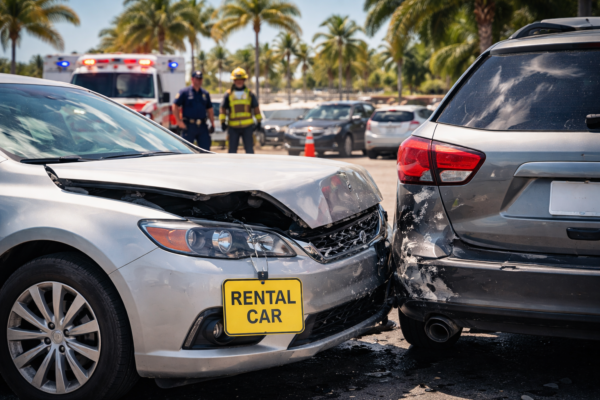
When renting a car in Florida, the rental agreement dictates insurance coverage and financial responsibilities. These agreements often include:
- Collision Damage Waiver (CDW): This optional coverage protects the rental vehicle itself against physical damage. It can significantly reduce out-of-pocket expenses, but it does not automatically cover liability for injuries to others.
- Liability Coverage: Many rental companies provide a basic level of liability insurance, which may cover bodily injury or property damage to third parties. Coverage limits can vary and may not fully protect against extensive damages.
- Supplemental Coverage: Travelers can also rely on personal auto insurance or certain credit card protections that extend to rental vehicles, offering additional layers of security.
It is important for drivers to review both their rental contract and their personal insurance policy to understand the scope of coverage. Failing to carry adequate insurance or misinterpreting rental agreements can result in unexpected financial responsibility after an accident.
Founding Attorney Attorney
Michael Serrano

Molli Gard, ESQ.
Common Scenarios and Responsibility Determination
Determining who pays after a crash depends on multiple factors. Typical scenarios include:
- Accidents Caused by Another Driver: If a third party causes the crash, their auto insurance typically covers damages and medical costs. The rental driver may only be involved if contributory negligence is claimed.
- Accidents Involving the Rental Driver: If the person renting the car is at fault, their personal auto insurance may cover liability, while the rental company’s CDW can cover damage to the rental vehicle itself.
- Multiple Insurance Involvement: In serious accidents, multiple insurers—including personal auto insurance, rental company coverage, and the at-fault driver’s insurance—may need to coordinate payments. Understanding which policy is primary can prevent delays and coverage gaps.
In Florida, PIP (Personal Injury Protection) coverage is mandatory, providing immediate benefits for medical expenses and lost wages regardless of fault. However, PIP does not cover property damage, meaning liability and vehicle repairs still require additional insurance.
Steps to Take After a Rental Car Crash
Immediately following a crash, taking the correct steps can protect your rights and simplify the claims process:
- Document the Scene: Photograph vehicle damage, road conditions, and any visible injuries. Gather contact information from witnesses and involved parties.
- Notify All Insurers Promptly: Report the accident to both your personal insurance provider and the rental company. Provide complete and accurate information without admitting fault.
- Keep Detailed Records: Save all rental agreements, insurance documents, repair estimates, and medical records. These documents are essential when negotiating with insurers or pursuing claims.
- Seek Legal Guidance: An experienced Florida attorney can help navigate the claims process, ensuring that all parties are properly held accountable and that compensation is maximized.
Mike Serrano’s law office was everything I needed after a very traumatic accident. He was always super up front and honest with me. I never got the feeling he was trying to sell me on something or to do something that I wasn’t comfortable with. He listened to my concerns and when it tough moments came that I needed to stand my ground. He backed me and made me feel 100% secure. He got me exactly what I needed in a settlement and I would never consider using anyone else. His office staff is also phenomenal.” - Mary Mike Serrano was a great attorney for my case!! He was very flexible with phone calls/ Zoom meetings. His staff are always friendly, whether it be on the phone or emails. They keep you updated during your entire case! They don’t leave you silent for months. if you call, they always call back with updates! Highly recommend!" - Kylie Collier Border I’ve never had to deal with a lawyer before but Mike has set the bar HIGH. He was always available to communicate my concerns and explain each step of the way. I know no other lawyer would have been able to achieve the same results because he jumped on an opportunity that was a little out of the ordinary and it paid off. He really fought for my case and over delivered. I really hope I never have another accident but if I do I’m running to Mike for help." - Sandy Carter
Potential Costs and Recovery
Accidents involving rental cars can involve multiple layers of damages:
- Property Damage: Costs to repair or replace the rental car and any other vehicles involved.
- Medical Expenses: Treatment for injuries sustained during the crash, including emergency care, ongoing therapy, and medications.
- Lost Wages and Income: Time away from work due to injury may be compensated.
- Pain and Suffering: Compensation may be available for physical pain, emotional distress, and diminished quality of life.
In many cases, rental agreements include financial obligations that travelers may not anticipate, such as loss-of-use fees, administrative charges, or penalties for not carrying supplemental coverage. These costs underscore the importance of consulting an attorney who understands Florida law and can navigate these complexities.
Choosing The Right Personal Injury Attorney Personal Injury Settlement TimelineRelated Videos
The Role of an Attorney
Serrano Law offers comprehensive guidance for clients involved in rental car accidents, ensuring that every detail of the incident is thoroughly investigated. Attorneys can:
- Assess fault and comparative negligence implications.
- Communicate with insurance companies to streamline claims and maximize coverage.
- Calculate total damages, including property loss, medical bills, lost wages, and non-economic harm.
- Negotiate settlements or represent clients in litigation if necessary.
Working with an attorney can provide clarity and confidence, particularly for travelers who are unfamiliar with Florida’s legal framework or are managing claims from out of state.
Preventive Measures for Travelers
Travelers can minimize risks and potential liability by taking the following steps before renting a vehicle:
- Verify personal auto insurance and credit card coverage for rental vehicles.
- Consider purchasing supplemental coverage through the rental company if primary coverage is limited.
- Review Florida traffic laws and safety regulations, including speed limits, seat belt requirements, and cell phone usage rules.
- Conduct a thorough vehicle inspection before driving off, documenting any pre-existing damage.
Proactive measures can reduce disputes with rental companies and insurance providers while protecting the driver’s financial exposure in the event of a crash.
Navigating liability and insurance coverage after a rental car accident in Florida can be complex, particularly during busy travel seasons like spring break. Understanding Florida law, reviewing insurance options, and taking proper documentation steps are essential for protecting your rights. Serrano Law is dedicated to assisting clients through every step of this process, ensuring that those injured in rental car accidents receive the compensation they are entitled to and avoid unnecessary financial burdens.
Internal Reference Links:
- Florida Car Accident Guide: https://mikeserranolaw.com/2020/10/02/florida-car-accident-guide/
- Liability in a Personal Injury Claim: https://mikeserranolaw.com/2021/02/08/liability-in-a-personal-injury-claim/
- What to Expect After a Brain Injury: https://mikeserranolaw.com/2022/06/13/what-to-expect-after-a-brain-injury/
If you or a loved one has been involved in a rental car accident in Florida, contact Serrano Law for a free consultation. Our attorneys provide skilled guidance to protect your rights and help you pursue full compensation.
Disclaimer
This information is for educational purposes only and does not constitute legal advice. Consult an attorney regarding your specific circumstances.
To learn more about this subject click here: Why March and April See More Car Accidents in Florida and What That Means for Injury Claims